
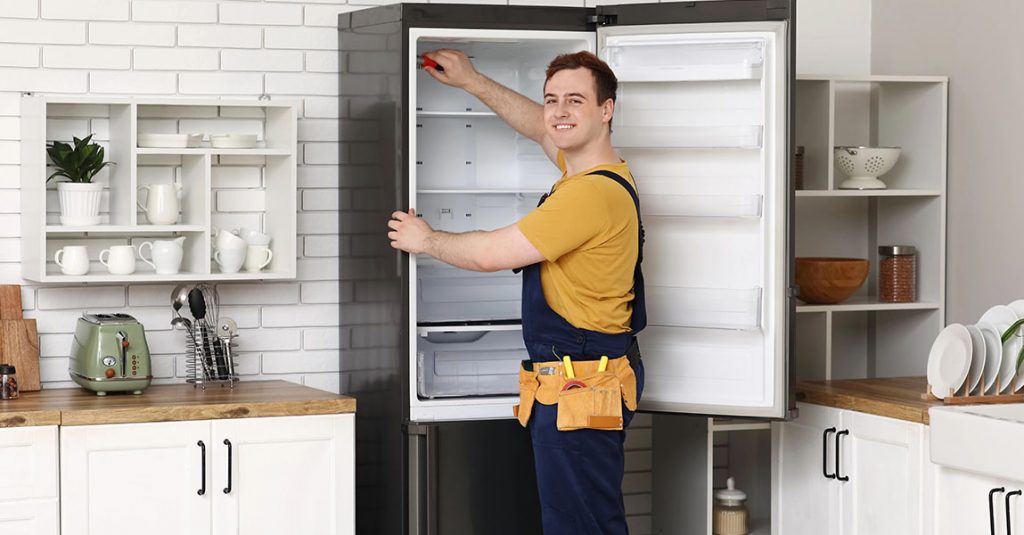
A refrigerator that struggles to stay cold often has one simple culprit: a door that does not seal tightly. When the freezer or fridge door does not close fully, warm air sneaks in, ice forms where it should not, and the appliance works harder than necessary. We have seen this issue many times and know that most cases can be solved at home with patience and a bit of observation.
How a Faulty Seal Affects Your Fridge
When the seal around the door (the gasket) loses its grip, the appliance must run longer to keep temperatures down. That extra effort wastes energy, shortens the compressor’s lifespan, and can lead to uneven cooling. The freezer may start to frost heavily, and the fridge section may grow warmer. You might even hear the motor running constantly. This simple seal problem can make the entire unit less efficient, which often shows up first in your electric bill.
The First Step: Spot the Problem
Before doing any repair, we always suggest checking where the seal fails. Close the door on a thin piece of paper or a dollar bill, and try to pull it out. If it slides out easily, that area of the gasket is not gripping properly. Repeat this around the entire door frame. Areas where the paper slips without resistance reveal where the problem lies.
Sometimes, the issue is not the gasket at all. A tilted fridge, warped door hinge, or debris trapped in the fold can also cause a weak seal. That is why observing how the door closes before replacing anything is crucial.
Realigning a Misaligned Door
If the fridge door looks crooked or sags slightly, the hinges might have loosened or the leveling legs might be off balance. Adjust the legs so that the front of the fridge sits slightly higher than the back. This small tilt encourages the doors to close naturally instead of hanging open.
Next, check the hinges. Over time, screws loosen and the door drops. Tighten the hinge screws carefully with a screwdriver. Do not overtighten. If the door still hangs unevenly, you might need to remove the top hinge cover and lift the door slightly while retightening the hinge screws. In most cases, a small adjustment is all it takes for the seal to meet the frame evenly again.
Cleaning the Gasket Properly
If the door is aligned but still not sealing, the gasket might be dirty or sticky. Food residue, grease, and even sugar from spills can make the rubber lose flexibility. Mix warm water with mild dish soap and gently scrub the gasket with a soft cloth or toothbrush. Pay attention to the folds and corners where crumbs often hide.
After cleaning, rinse and dry thoroughly. You can also wipe the gasket with a small amount of petroleum jelly or mineral oil to restore flexibility. Avoid using harsh cleaners or bleach, as they can dry out the rubber. Many seals that seem “worn out” only need a proper cleaning and conditioning to work again.
Checking for Damage or Deformation
Inspect the gasket closely for cracks, tears, or flattening. Over time, the rubber can lose shape, especially near the corners. If parts of it look warped or have lost their magnetic pull, replacement might be the only option.
Replacement gaskets are usually available through the appliance manufacturer or online suppliers. When ordering, check the model number of your fridge to get the correct size and fit. A wrong gasket will never seal properly, no matter how carefully you install it.
Installing a New Gasket
Before installation, place the new gasket in warm water for ten minutes to make it more flexible. Then remove the old one by gently pulling it from the inner lip of the door. Most gaskets sit in a groove and come off easily once loosened.
Start attaching the new gasket at one corner and work your way around, pressing firmly into the groove. Make sure the magnetized edge lines up with the metal frame of the fridge. Once installed, close the door and check for gaps. If you still see light coming through, warm the gasket gently with a hair dryer and pull it into position while it softens.
This part takes patience. Even a small wrinkle can prevent a perfect seal, so move slowly and press each section firmly into place.
Testing the Seal After Replacement
After installing or cleaning, give the door time to settle. Let the fridge run for an hour and then test again with the paper method. If the paper holds tightly all the way around, the seal is good. If not, you can adjust the door alignment or warm the gasket slightly again to improve the fit.
Another good sign is when you feel a bit of resistance as you open the door. A solid “pop” or pull means the seal is doing its job.
Preventing Future Seal Problems
Keeping your gasket in good condition requires simple habits. Always open the fridge gently and avoid leaning or hanging on the door. Clean the seal every few weeks with mild soap and water, and check for trapped crumbs. Make sure the fridge is not overpacked, as pushing items against the door can distort the seal.
Temperature also matters. If the kitchen gets very warm or humid, condensation can collect around the gasket. Wipe it dry occasionally to prevent mold or stickiness.
When to Seek Professional Help
While most door-seal issues are easy to handle, sometimes the problem lies deeper. A door that appears to seal but still leaks cold air might have a warped frame, damaged liner, or weak magnetic strip in the gasket. If your fridge continues to run constantly or you notice uneven temperatures even after cleaning or replacing the gasket, it might be time to call a technician.
You can reach professionals who specialize in appliance repair services in Fort Saskatchewan for more complex cases. They can inspect not only the door seal but also the cooling system, compressor, and sensors that keep the appliance balanced.
Hidden Causes You Might Miss
Sometimes the reason the door does not close has nothing to do with the gasket. A few less obvious causes include:
- Broken door cam: The small plastic cam under the hinge helps the door close smoothly. If it cracks or wears out, the door may stay slightly open.
- Warped liner: The plastic frame inside the door can deform if exposed to extreme temperature changes.
- Magnet fatigue: In rare cases, the magnet inside the gasket weakens over time, causing a weak pull even when everything looks fine.
- Obstruction: Something as small as a misplaced jar or shelf misalignment can prevent full closure.
If none of these seem to apply and the gasket still feels firm, checking the internal airflow vents and temperature sensors can also help, as frost buildup near vents can push the door open subtly.
Energy Impact of a Poor Seal
It is easy to underestimate how much energy loss comes from a loose door. Even a small gap allows warm air to enter continuously, forcing the compressor to compensate. Over time, this leads to both higher bills and premature wear on components.
A poorly sealed freezer can also lead to excessive frost buildup, which traps moisture and reduces cooling performance further. Fixing the gasket promptly saves energy and helps maintain food freshness.
DIY Tip for Warped Gaskets
If you find only a small section that does not seal, you can try softening and reshaping it instead of replacing the whole gasket. Warm the area gently with a hair dryer while keeping the door slightly open. Once pliable, press it firmly against the frame to mold it back into shape. Let it cool while keeping the door closed. This trick often works for minor deformations and saves time and cost.
When Condensation Forms on the Edges
A leaking gasket sometimes shows through condensation on the door edges. Moisture collects when warm air meets the cold metal frame. If this happens frequently, clean the gasket, check for cracks, and ensure the internal temperature is not set too low. Running the fridge at extremely cold settings increases condensation and can freeze the gasket edges, causing them to lose flexibility.
Simple Maintenance Routine
Once the door is sealing well, you can maintain it with a monthly check. Wipe the gasket clean, check for loosened screws in the hinges, and test the paper method again. Keep the interior organized to prevent items from pushing the door outward.
For long-term performance, avoid using petroleum-based products near the seal except for a light wipe. Excess oil can attract dust and cause dirt buildup.
Professional Adjustment vs. Replacement
If adjusting and cleaning do not solve the issue, and replacing the gasket feels too technical, professional repair can be worthwhile. A trained technician can test the magnetic seal strength, ensure the hinges align perfectly, and confirm the frame is not warped. Sometimes they can reheat and reshape the old gasket rather than replace it entirely.
We have seen many homeowners replace gaskets unnecessarily when the problem was hinge-related. Getting an expert opinion before spending on parts can save frustration.
If you want professional help, you can always contact us to discuss the problem and get straightforward advice or a service appointment in your area.
FAQ
Why does my freezer door pop open when I close the fridge door?
This often happens when air pressure changes between compartments. If it stays open for more than a few seconds, the gasket might not seal properly or the fridge might be slightly tilted.
Can I use hot water to reshape a warped gasket?
Yes, but apply the heat gradually. Use a hair dryer or warm cloth instead of boiling water to avoid damaging the rubber.
How do I know if the gasket magnet is weak?
Close the door halfway and see if it gently pulls itself shut. If it hangs loose, the magnetic strip inside the gasket might have weakened.
Is it safe to use petroleum jelly on the gasket?
A thin layer can help maintain flexibility, but too much will attract dust. Use a soft cloth and apply lightly.
How often should I replace the refrigerator gasket?
Most gaskets last five to ten years, depending on use and cleaning habits. Replace it sooner if you see cracks, tears, or constant condensation around the door.
By following these steps and checking your door regularly, you can keep your refrigerator running efficiently and extend its lifespan without costly repairs.