
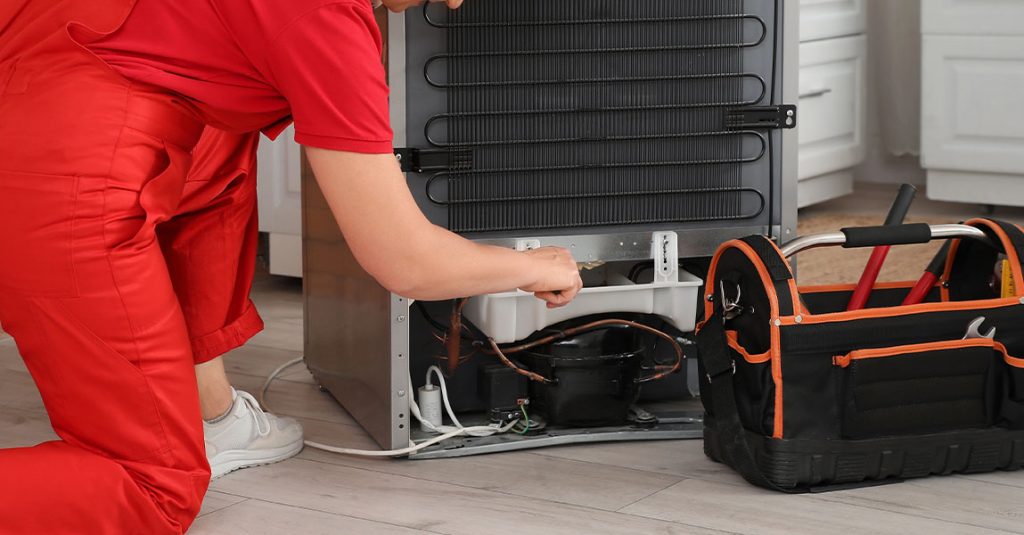
When a fridge door gasket tears, even slightly, cold air escapes and warm air seeps in. That change causes temperature swings, food spoilage, and higher energy bills. We often see customers unsure what caused it or how serious it is. It’s easy to overlook this small seal until it leads to bigger problems. A bad seal doesn’t just make your fridge work harder—it can shorten its life. This post will walk through what happens, why it matters, how to check it, and what to do next.
What Happens When a Gasket Leaks
Air constantly moves between the kitchen and the inside of the fridge when the seal is damaged. That small draft might seem harmless, but it triggers several mechanical reactions. As a result, the compressor starts running more often to maintain a stable temperature.
Moisture enters more easily too. That extra humidity can cause frost buildup near the gasket and inside the freezer. Over time, this may clog air vents, forcing the unit to overcompensate. The extra strain on fans, sensors, and controls adds up. This chain reaction starts with a tear the size of a fingertip.
A reliable fridge repair in Fort Saskatchewan can catch these signs early before they cause long-term damage. The fix is usually simple, but timing matters.
Common Signs of a Torn Seal
Look closely at the door’s rubber edge. If it’s no longer flush or shows signs of wear, that’s your first clue. Gaps, warping, or cracks signal air is escaping. Another sign is moisture pooling inside the fridge near the door frame. That usually happens when warm kitchen air hits the cold interior.
Frost or ice in the freezer without a defrost issue can also point to a bad seal. You may also hear the fridge running more often than usual. Even slight tears increase energy use, and you might notice your food not staying as cool as expected.
To test the seal, place a sheet of paper between the door and frame. If it slides out with no resistance, the gasket is too loose. Repeat this in a few spots. If paper slips out easily in multiple areas, the gasket likely needs attention. We usually check all corners and edges this way during inspections.
Causes Behind Gasket Wear
Most gaskets fail slowly over time. Repeated opening and closing stretch the material, especially near the corners. Cleaning chemicals not made for rubber can dry it out, and that causes cracking. Temperature shifts from warm kitchens can speed up wear, especially if the door doesn’t close fully.
Food items stuck in the door may also deform the seal. Over time, this warping becomes permanent. If the fridge isn’t level, the doors don’t align properly, putting more pressure on the gasket edge. All of these issues start small but can quickly lead to complete failure.
While people often assume door seals last as long as the fridge, we find many break down earlier. Keeping an eye on how the door closes and sealing surfaces feel can prevent surprise issues later.
Gasket Repairs and What to Expect
In many cases, the fix is straightforward. If the gasket is loose but not cracked, it may only need refitting. Some models allow re-heating the rubber to restore shape, but this depends on the design. Torn seals, on the other hand, often require replacement.
During appliance repair in Fort Saskatchewan, we inspect the frame, ensure there’s no warping, and check door alignment. The new gasket must sit perfectly for an airtight seal. Sometimes we remove the door to complete the job if space is tight.
The process usually takes under an hour. For most standard units, replacement parts are widely available. We use manufacturer-specific gaskets that fit tightly without force. After replacement, we close and reopen the door a few times to ensure everything holds.
Preventing Future Gasket Leaks
Avoiding damage starts with how the door is used daily. Always make sure it closes completely after each use. Heavier items like glass bottles or full pitchers should not sit in the door bin if they cause sagging. Watch out for crumbs or wrappers stuck in the seal area, as they can distort the gasket’s shape.
Wipe the gasket regularly with a soft cloth and mild soap. Avoid bleach, ammonia, or rough pads that break down the rubber. We also check for proper leveling so the doors close smoothly without extra force. A small tilt can stress the gasket at one end more than the other.
If you spot gaps early, pressing the seal back into place might help. However, long-term stretching or cracking will not fix itself. When cold air leaks become frequent, it’s best to get advice directly from an experienced appliance technician in Fort Saskatchewan.
Energy and Food Waste Impacts
A fridge with poor sealing burns through more power daily. When cold air escapes, the compressor stays on longer to keep up. That extra runtime not only raises your bill but wears down internal parts. We often find gaskets behind unexpected power spikes when everything else seems fine.
Leaking seals also let warm air mix with cold storage zones, spoiling food faster. Dairy and meat spoil faster near the door edge. We’ve seen fridges with torn gaskets cause weekly food waste even before owners realize what’s wrong. Addressing seal issues early saves both money and time.
Small rips cause invisible losses. Over a year, even mild leaks can add over $100 in wasted electricity and spoiled groceries. That’s why a proper seal matters more than it seems at first glance.
When to Call for Help
If the fridge door doesn’t feel tight or food feels warmer near the edges, don’t wait. Gaskets usually don’t fail all at once, so early repairs cost less. A visit from our team helps identify if the seal can be adjusted or needs full replacement.
We look at the entire door system. Sometimes, the hinge or cam causes door misalignment, not just the rubber. That’s why every visit includes a full checkup of hinges, frames, and alignment points.
For urgent cases, or if the leak causes frost, puddles, or noise changes, reach out directly through the contact page for JAY Appliances. Fixing this early brings peace of mind and helps your fridge run as it should.
FAQ
How can I tell if my fridge gasket is leaking?
Place a sheet of paper between the door and fridge. If it slips out easily, the seal may be too weak.
Will a torn gasket cause the fridge to overheat?
Not directly, but it will force the compressor to run longer, raising the overall temperature inside.
Can I replace a gasket without removing the door?
In many cases, yes. But for tight spaces or specific models, we may remove the door for a proper fit.
What tools are used to install a new gasket?
Usually, only a screwdriver, heat gun, and soft press tools are needed to seat the gasket correctly.
How often should I check the door seal?
Check every three to six months, especially if you hear the fridge running longer or see food spoiling faster.