
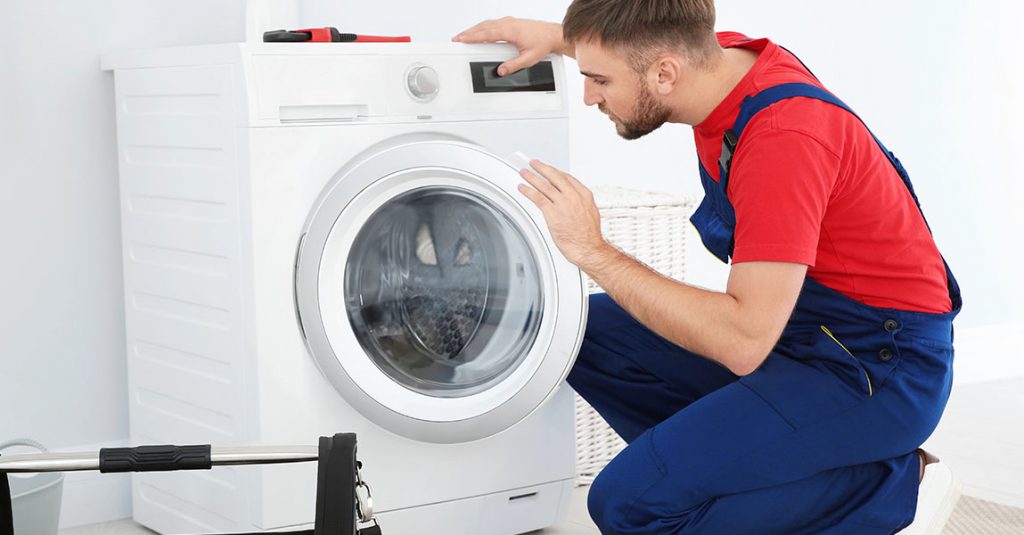
Why your dryer takes multiple cycles for a single load is a common frustration in Fort Saskatchewan. We notice that many families struggle with damp clothes after a full hour of heat. This problem often stems from poor airflow within the internal drum or the external venting system. When air cannot escape, moisture stays trapped inside with your laundry for a very long time. Consequently, your machine works twice as hard to do half the work today. We want to help you understand the mechanical reasons behind this lack of efficiency. Proper maintenance ensures that your clothes dry quickly and your utility bills stay low. Our team sees these issues frequently during the damp transition seasons in Alberta.
Identifying the Main Airflow Blockage
Air must move freely for your dryer to remove moisture from heavy fabrics. We find that lint often bypasses the primary filter and settles in the exhaust pipe. This buildup acts like a wall that prevents hot air from exiting your home. Additionally, a crushed or kinked vent hose behind the machine restricts the outward flow. When this happens, the internal thermostat shuts the heater off to prevent a fire. Furthermore, the machine continues to tumble but never gets hot enough to dry anything. We recommend checking the outside vent flapper to ensure it opens when the dryer runs. This simple step can save you hours of drying time every single week.
The Impact of a Clogged Lint Screen
Your lint screen is the first line of defence for your drying system. We observe that fabric softener residue can create an invisible film on the mesh. This waxy coating blocks air even if the screen looks clean to your eye. Consequently, the motor works harder to push air through the tiny holes in the filter. We suggest washing your lint screen with warm soapy water and a soft brush monthly. This process restores the proper airflow and helps your machine breathe much easier today. Furthermore, a clean screen prevents lint from entering the internal heater box where it poses a risk. JAY Appliances prioritizes your home safety by encouraging these simple and effective cleaning habits.
Managing Your Laundry Load Size
Overloading your dryer is a very common mistake that leads to longer drying times. We see that heavy blankets need plenty of space to tumble and allow air circulation. When the drum is too full, the clothes just clump together in a wet ball. Additionally, this puts extra strain on the drum belt and the motor bearings over time. We recommend filling the drum only halfway to ensure the best results for your laundry. Furthermore, mixing heavy towels with light t-shirts causes the moisture sensors to get confused. Consequently, the machine might stop before the thicker items are actually dry for you. We offer professional dryer repair to help you fix any underlying mechanical sensor issues today.
Cleaning the Internal Blower Wheel
The blower wheel is the fan that pulls air through your dryer and out the vent. We find that small items like socks or coins can sometimes get past the filter. These objects can get stuck in the fan and reduce its spinning power significantly. Additionally, a thick layer of dust on the fan blades slows down the air movement. Furthermore, you might hear a loud rattling or humming noise when the blower is dirty. We suggest having a professional clean the internal cabinet of your machine every two years. This ensures that the heart of your dryer stays powerful and very efficient. Our team provides the Best Appliance Repair in Fort Saskatchewan to keep your laundry room running smoothly.
Testing the Heating Element Health
An electric dryer uses a metal coil to generate the heat needed for drying. We notice that these coils can weaken or partially break after years of constant use. When the element is weak, it stays warm but never reaches the correct temperature. Consequently, you might notice that the drum feels lukewarm instead of hot during a cycle. Furthermore, a faulty thermostat can tell the heater to turn off too early for you. We can test these components with a multimeter to find the exact source of failure. This professional diagnostic prevents you from guessing which part needs a replacement today. JAY Appliances values your time and provides accurate solutions for every drying problem.
Checking the Moisture Sensor Bars
Modern dryers use small metal bars to feel how wet your clothes are today. We find that dryer sheet residue can coat these bars and make them “blind.” When the sensors cannot feel moisture, they tell the computer that the load is finished. Consequently, your machine stops the cycle while your clothes are still quite damp inside. We suggest wiping these metal bars with a bit of rubbing alcohol to clean them. Furthermore, this simple fix often restores the “Auto Dry” function to its original factory performance. We prioritize helping you get the most out of your high-tech appliances without unnecessary stress. Contact Us if your sensors continue to fail after a thorough cleaning.
FAQ
Why is my dryer hot but clothes stay wet?
This is usually an airflow issue where the moist air cannot leave the machine.
How often should I clean my dryer vent?
We recommend a professional vent cleaning at least once a year to prevent clogs.
Can a full lint trap cause a fire?
Yes, lint is highly flammable and can ignite if the machine gets too hot.
Why does my dryer smell like something is burning?
This often means lint has collected on the heating element or the motor is failing.