A loud oven fan can turn a normal dinner into a guessing game, and it usually shows up right when timing matters. At Jay Appliance Repair, we hear from homeowners who notice hot spots, pale corners, and overdone edges in the same pan. Therefore, the goal is to figure out why the fan noise changed and how that change affects airflow and heat.
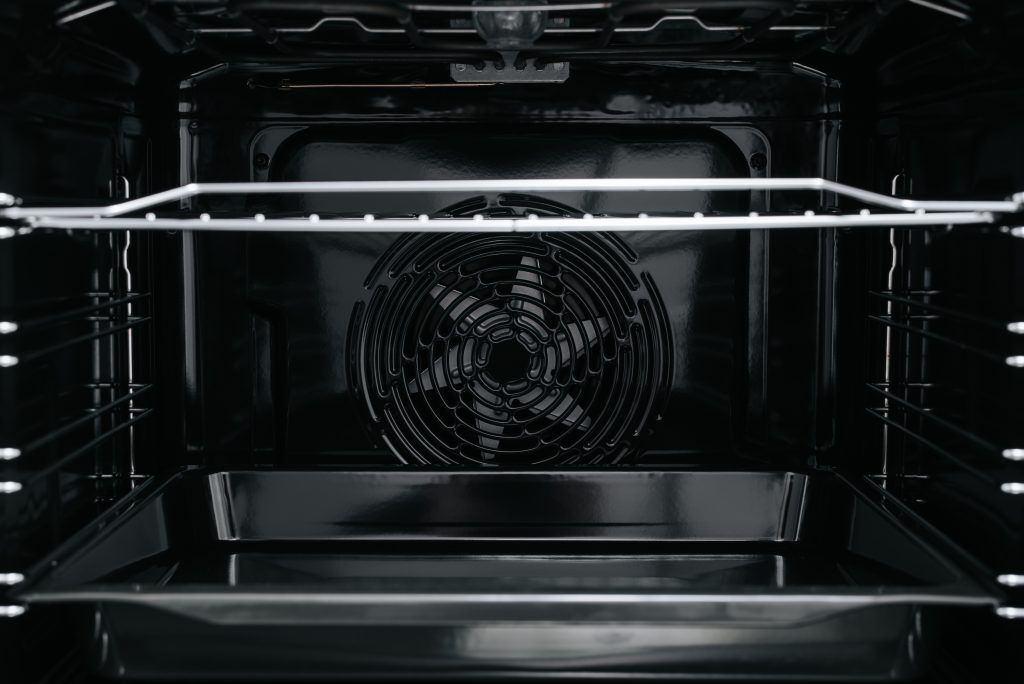
Ovens that use convection rely on steady air movement to keep temperatures even. However, when the fan starts roaring, rattling, or pulsing, the airflow can become messy instead of smooth. As a result, heat may collect in one area while other areas lag behind, and your baking times stop making sense.
If you need help with multiple appliances around the home, you can start with appliance repair in Fort Saskatchewan and book service based on what is acting up.
How A Convection Fan Should Sound
Most importantly, a healthy fan sounds like a steady whoosh, not a clatter or a high pitched whine. That is to say, you should hear consistent airflow, especially after the oven preheats and the convection mode kicks in. Meanwhile, the sound should not change dramatically when you open the door or when the temperature cycles.
When the noise becomes louder than normal, it often means something is vibrating, scraping, or working harder than it should. Consequently, the air pattern inside the cavity can shift, and food may cook unevenly even if the display shows the correct temperature.
Common Reasons The Fan Gets Loud
Firstly, loose hardware is one of the simplest causes. For example, a fan blade can loosen on the motor shaft, or a rear cover panel can start buzzing when the fan ramps up. In addition, a slightly bent blade can wobble at speed and create a drumming sound that travels through the oven frame.
Secondly, grease buildup can throw off balance. Over time, a film of baked on residue on the fan blade adds uneven weight, so the fan spins like an unbalanced tire. As a result, the oven may vibrate, and the airflow can become turbulent instead of smooth.
Thirdly, the motor bearings can wear. In other words, the fan may still run, but it gets louder, especially when the oven is hot and parts expand. This is also when uneven cooking becomes more obvious, because the fan speed may drop or surge as the motor struggles.
Finally, something may be contacting the blade. For instance, foil, a warped rear panel, or a shifted insulation piece can lightly touch the blade and make a repeating tick or scrape. Consequently, airflow weakens, and the oven starts acting like it has cold zones.
Why Noise And Uneven Cooking Happen Together
A loud fan is not only annoying, it is a clue about airflow. However, uneven cooking is usually an airflow problem first, and a temperature problem second. Therefore, if the fan is loud, it may be pushing air in the wrong pattern, or not pushing enough air at all.
That is to say, convection depends on a stable loop of air that sweeps heat across racks. When the loop breaks, you get symptoms like cookies browning on one side, casseroles bubbling only at the back, or roasts cooking faster on the top rack. Moreover, the oven can look “fine” on the display while the real heat distribution is off.
Safe Checks You Can Do Before Booking Service
Certainly, safety comes first, so let the oven cool fully before touching anything. After that, remove the racks and look at the rear wall to see if any panel is bowed or loose. If a screw looks backed out, that can create vibration, but do not force anything if it feels stripped or misaligned.
Next, check for anything that could hit the fan area. For example, foil can get pulled toward the rear by airflow, and a pan liner can shift during heating. Likewise, if you recently cleaned the oven, a loosened rear cover or a moved gasket can change how the fan sounds.
To clarify, do not spray cleaner into vents or fan openings, and do not run the oven with panels removed. If you are unsure, it is better to stop and let Jay Appliance Repair handle the diagnosis, because the fan motor and wiring sit close to high heat areas.
When The Fix Is Simple And When It Is Not
If the issue is a loose panel or a minor vibration, tightening and leveling can reduce the noise. However, if the motor bearings are worn, the sound usually returns quickly and can get worse with each heating cycle. Consequently, ignoring it can lead to a stalled fan, overheated components, or repeated uneven results.
When customers call Jay Appliance Repair for this kind of problem, the visit often focuses on airflow, fan speed, mounting, and heat behavior during cycling. In addition, we check related parts that affect temperature balance, because a struggling fan can hide other issues like damaged seals or poor circulation paths.
If this is happening now, scheduling oven repair Fort Saskatchewan keeps the problem from turning into inconsistent meals or bigger electrical wear.
How This Relates To Other Kitchen And Laundry Issues
Sometimes homeowners notice multiple symptoms around the house at once. For example, a weak dryer airflow can also show up as longer dry times, which is why washer repair Fort Saskatchewan is helpful when laundry performance changes alongside other appliance concerns. Similarly, if your cooking setup includes multiple surfaces, cooktop repair Fort Saskatchewan can address burners or controls that add stress to meal timing.
If the oven is an LG model and you want brand specific support, LG appliance repair in Fort Saskatchewan helps route your service request to the right troubleshooting path. Most importantly, a loud oven fan should not be treated as “normal aging” when it is paired with uneven cooking, because airflow is the engine behind consistent heat.
FAQs
Why does my oven get louder only when it is hot?
Heat can expand metal panels and change clearances around the fan area. As a result, a blade that barely clears a cover when cold may scrape or vibrate when everything warms up.
Can I keep using the oven if food is cooking unevenly?
You can, but it is risky for results and for the appliance. However, if the fan is failing, continued use can strain the motor and create more heat stress on nearby parts.
Why does convection make the problem more noticeable?
Convection depends on steady airflow, so any wobble, speed change, or blockage shows up quickly. Therefore, uneven browning and hot spots often appear sooner in convection mode than in bake mode.
Is it normal to hear a humming sound from the fan?
A gentle, steady hum can be normal. In other words, the red flags are rattling, grinding, clicking, pulsing volume, or a sudden jump in noise compared to how it sounded before.
What is the fastest way to confirm it is the fan and not the heating element?
Listen for noise changes when convection is toggled on and off, if your model allows it. However, because heat and electricity are involved, a proper inspection is the safest way to confirm the root cause.