If you’ve ever set your cooktop to medium heat and ended up with a burnt corner and a cold center, you’re not alone. Uneven heating is one of the most common complaints homeowners bring to Jay Appliance Repair, and the frustrating part is that the settings can look completely normal while the problem quietly gets worse. Understanding why this happens — and what to do about it — can save you time, money, and a lot of ruined meals.
What Causes Uneven Heating on a Cooktop?
Uneven cooktop heating rarely has a single cause. Several factors work together to create hot spots, cold zones, or burners that simply won’t perform consistently.
Worn or Damaged Heating Elements
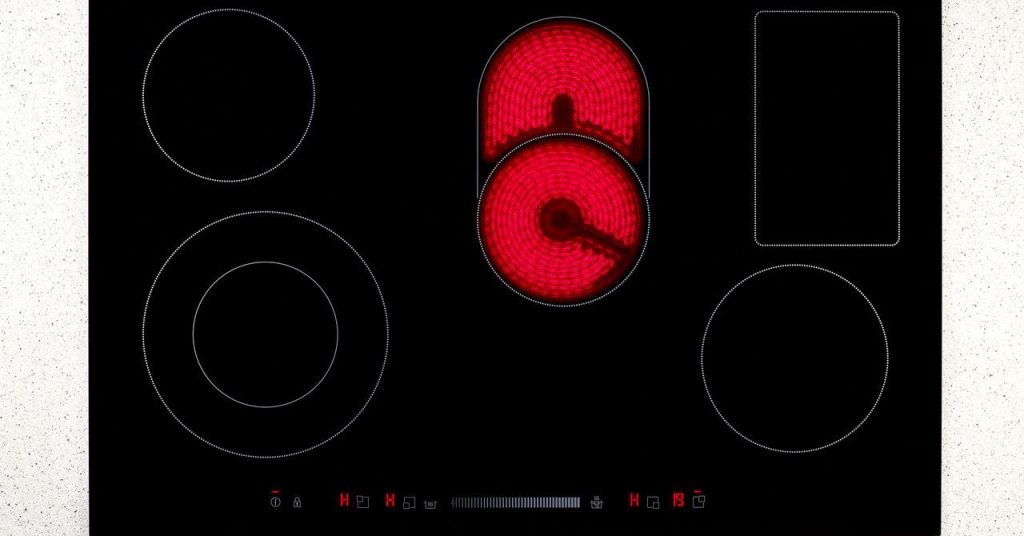
On electric cooktops, the heating element does all the work. When one section of the element degrades or develops a partial break, heat stops distributing evenly across the surface. The control panel may show the correct setting, but the element physically cannot deliver consistent output. This is one of the most frequent reasons homeowners seek cooktop repair services.
Faulty Burner Igniters and Gas Flow Issues
Gas cooktops depend on clean, unobstructed burner ports and a properly functioning igniter. Food debris, grease buildup, or a cracked burner cap can disrupt the flame pattern significantly. Even a small blockage causes one side of the burner to run hotter than the other. The result is a lopsided flame that no dial adjustment can fully correct.
Temperature Sensor Failures
Many modern cooktops use sensors to regulate and maintain heat. When a sensor drifts out of calibration or fails entirely, the cooktop receives inaccurate readings. It may believe the surface has reached the target temperature when it hasn’t — or vice versa. Sensor issues are especially common in induction and ceramic glass models.
Control Board Malfunctions
The control board acts as the brain of your cooktop. It interprets your input and sends signals to the heating components. A malfunctioning board can deliver inconsistent voltage to burners or elements, creating unpredictable heat output even when your settings appear correct.
Why “Correct Settings” Don’t Always Mean Correct Performance
This point confuses a lot of homeowners. The dial or digital display reflects the instruction you’ve given the appliance — not the actual output being delivered. Think of it like a thermostat that reads 72°F while the furnace quietly underperforms. The setting and the reality are two different things.
Uneven cooktop heating happens precisely in that gap between instruction and delivery. A burner set to “6” might perform like a “4” on one side and an “8” on the other if the underlying component has degraded. No amount of adjusting the dial resolves a mechanical or electrical fault.
The Role of Cookware in Uneven Heating
Before calling for service, it’s worth ruling out one common culprit: your pots and pans. Warped cookware creates air gaps between the pan and the cooking surface. Those gaps interrupt heat transfer and cause uneven cooking — even when the cooktop itself works perfectly.
Flat-bottomed cookware designed for your specific cooktop type (induction-compatible pans for induction surfaces, for example) makes a measurable difference. If you’ve already ruled out cookware and the problem persists, the issue almost certainly lies within the appliance itself.
When Uneven Heating Points to a Bigger Problem
Uneven heating is rarely just an inconvenience — it often signals that a component is on its way to full failure. Ignoring the issue typically leads to complete burner failure, tripped breakers, or in gas models, safety risks related to incomplete combustion.
Appliances work as connected systems. A cooktop that heats unevenly today may develop additional faults tomorrow, especially if the control board or wiring is involved. Homeowners who also experience issues with related kitchen appliances — such as a dishwasher that isn’t draining properly or a stove with temperature inconsistencies — should have a technician inspect the full kitchen setup rather than addressing each appliance in isolation.
DIY Checks You Can Safely Perform
Some checks are safe for homeowners to do before scheduling a repair.
Clean the burner ports. On gas cooktops, use a soft brush or toothpick to clear debris from burner holes. Never use water directly on gas components.
Inspect the burner cap alignment. A misaligned cap disrupts the flame pattern. Remove it, clean it, and reseat it carefully.
Test with different cookware. Swap your usual pan for a flat, heavy-bottomed alternative and observe whether the heating improves.
Check for visible element damage. On electric models, look for cracks, blistering, or discoloration on the heating element. Visible damage means the element needs replacement.
If none of these steps resolve the uneven cooktop heating, the problem is internal and requires professional diagnosis.
Why Professional Diagnosis Matters
Cooktops involve electrical components, gas lines, and precision calibration. Attempting repairs without the right tools and training creates real risks — electric shock, gas leaks, and damage to surrounding cabinetry or appliances.
A qualified technician brings diagnostic equipment that pinpoints the exact source of the fault. Replacing the wrong part wastes money and leaves the actual problem unaddressed. Professional service gets it right the first time and typically comes with a warranty on both parts and labor.
Jay Appliance Repair handles uneven cooktop heating issues across Fort Saskatchewan with a focus on accurate diagnosis and lasting repairs. Whether the fault lies in the element, the sensor, the burner assembly, or the control board, a trained technician can identify and fix it correctly.
If your cooktop issue extends to other appliances — or if you’re also dealing with a freezer that isn’t holding temperature — a single service call can often address multiple problems efficiently.
Closing Thoughts on Uneven Cooktop Heating
Uneven cooktop heating is a symptom, not a standalone problem. The dial setting you choose only matters if the components delivering that heat are functioning correctly. Worn elements, blocked burners, failed sensors, and control board issues all create the same frustrating result: food that cooks unevenly no matter what you do.
Ruling out cookware is a smart first step. After that, a professional inspection from Jay Appliance Repair is the most efficient path to a cooktop that performs consistently and safely. Don’t let a fixable problem escalate into a full replacement. Reach out to appliance repair professionals in Fort Saskatchewan and get your cooktop working the way it should.
Frequently Asked Questions
1. Why does my electric cooktop heat unevenly even though the element looks fine? Visible damage isn’t always present when an element is failing. Internal degradation can cause uneven output without any obvious external signs. A technician can test the element’s resistance to determine whether it’s delivering consistent heat.
2. Can cleaning fix uneven heating on a gas cooktop? Sometimes, yes. Blocked burner ports are a common cause of uneven flame distribution. Cleaning debris from the ports and reseating the burner cap can restore even heat. If cleaning doesn’t help, the issue likely involves the igniter or gas valve.
3. Is uneven cooktop heating dangerous? On gas models, uneven heating related to burner blockages or faulty components can pose a risk of incomplete combustion. On electric and induction models, the risks are primarily appliance damage and fire hazard from overheating components. Either way, the issue deserves prompt attention.
4. How do I know if my cooktop’s temperature sensor has failed? Common signs include the cooktop overshooting or undershooting target temperatures, inconsistent results across multiple cooking sessions, and error codes on digital displays. A technician can test the sensor directly and replace it if necessary.
5. Should I repair or replace my cooktop if it heats unevenly? In most cases, repair is the more cost-effective option — especially for appliances under ten years old. The specific fault determines the repair cost. A technician can give you an accurate estimate so you can make an informed decision.