
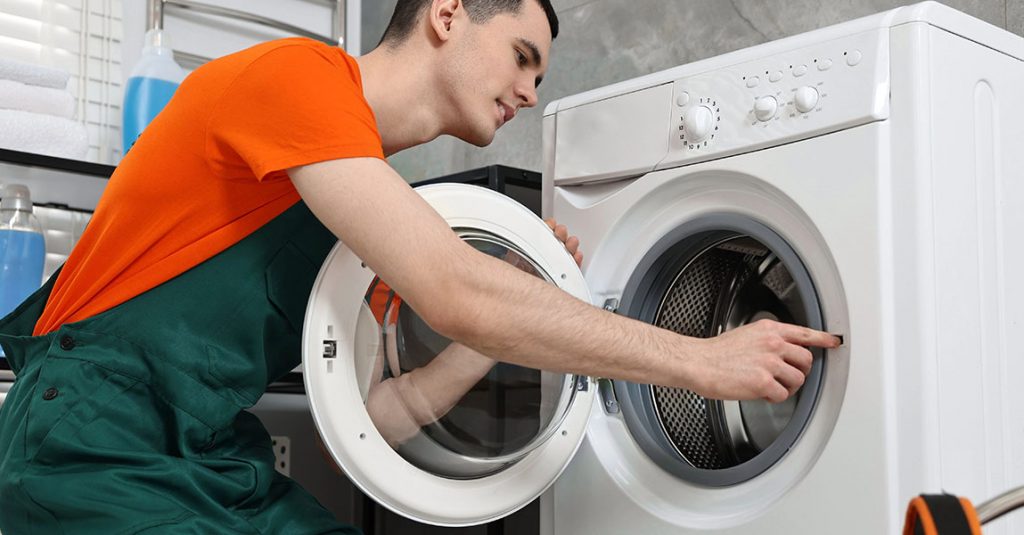
Dryers are simple machines in many ways, yet when one part wears down, the whole system feels the effect. The belt that turns the drum is one of those parts. When it fails, clothes stay damp, and frustration sets in. We can make sense of the warning signs and avoid costly breakdowns by looking at the role this belt plays and knowing when to act.
What the Dryer Belt Actually Does
Every dryer relies on a belt wrapped around the drum, a motor pulley, and an idler pulley. As the motor turns, the belt spins the drum so clothes tumble. Without this motion, hot air alone cannot dry anything properly. Because the belt stretches with use, it naturally wears out over time.
We often forget about it since it hides behind the drum and panels. However, it is the backbone of every drying cycle. A weak or slipping belt will always show itself through changes in performance. That is why we should learn how to recognize its signals before it completely snaps.
Common Early Warning Signs
Sometimes the machine makes noise before the belt fails. Squealing, thumping, or even a slipping sound can mean the belt is loose or worn thin. Clothes may take longer to dry because the drum is not turning evenly.
At other times, the belt frays, leaving small rubber pieces inside the cabinet. We may also notice the drum stopping mid-cycle while the motor still hums. These are all early calls for replacement. Acting at this stage can prevent the machine from straining the motor or damaging other parts. For step by step help, we can turn to dryer repair Fort Saskatchewan.
Complete Failure and What It Looks Like
Once the belt breaks, the dryer runs but the drum stays still. We hear the motor, but the clothes sit in place. This is the clearest sign of belt failure. At that point, the machine will not dry anything until the belt is replaced.
It is tempting to think the dryer has burned out entirely. Yet in most cases, the motor and heating system still work. The broken belt simply stops the drum from moving. Replacement restores full function, often at far less cost than replacing the whole appliance.
Why Belts Fail So Often
Heat, friction, and age are the main reasons belts fail. Each time we run the dryer, the belt stretches slightly. With hundreds of cycles, the rubber loses strength. Lint buildup inside the cabinet increases friction and heat, speeding up wear.
Heavy loads also strain the belt. Overfilling the dryer forces it to pull extra weight, and that shortens its life. We may not see the stress directly, but every oversized load adds hidden damage. Caring for the belt means keeping lint filters clean, avoiding overloads, and checking the vent system regularly.
Practical Steps for Checking the Belt
We do not always need to remove the drum to check the belt. A few quick methods can help. First, spin the drum by hand. If it moves too freely or without resistance, the belt may be broken.
Second, listen while starting a cycle. A motor running without the drum spinning points to a failed belt. Third, look behind or under the dryer for signs of rubber dust. These small checks save time before deciding whether repair is needed. For more detailed guidance, we can rely on appliance repair services Fort Saskatchewan.
When to Replace Instead of Adjust
Some belts slip because the idler pulley or tension spring has weakened. In that case, adjusting parts might restore proper tension. Still, if the belt looks cracked, frayed, or glazed, replacement is the better path.
Trying to stretch the life of a failing belt often backfires. A snapping belt can damage the idler pulley or even jam the motor. Replacing the belt at the first clear signs is safer for the whole machine. Our team always recommends new parts rather than temporary fixes when wear is visible.
Tools and Effort Involved
Replacing a dryer belt is not the most complex job, but it does require patience. Panels must be removed, wiring handled carefully, and the drum lifted slightly to fit the new belt. A basic tool set with a screwdriver, nut driver, and work gloves is usually enough.
The process can take an hour or two for someone with mechanical comfort. For others, the disassembly alone feels overwhelming. That is why many people choose to call in professional help rather than risk damaging wiring or seals during reassembly.
Preventing Belt Wear in Daily Use
We can extend the life of a belt by small daily habits. First, we should always clear lint filters after every load. Clean filters reduce strain by letting air flow properly. Second, avoid cramming oversized comforters or multiple heavy towels into a single cycle.
Another habit is checking pockets before washing. Loose coins or keys tumbling inside add stress to the drum and belt. Even distribution of laundry prevents uneven rotation, which otherwise pulls harder on one side of the belt. These steps sound simple, yet they play a big role in making belts last longer.
Why Acting Early Saves Money
Waiting for a belt to break often creates chain reactions. The motor keeps running under load, which overheats and wears it down. The idler pulley spins unevenly, leading to squeals or cracks. Repairing or replacing these parts costs far more than swapping out a belt on time.
Replacing belts early also avoids wasted electricity. A slipping belt means longer dry times, which consume more energy. Acting before complete failure reduces utility bills and keeps the machine efficient. When we look at the total cost, early replacement is the smarter choice.
Making the Right Call for Help
Sometimes we cannot be sure if the belt is the root problem. Other times we lack the tools or space to attempt the job. That is when reaching out to experts makes sense. For anyone in need of real support, our team can always be reached through contact us. Getting help early prevents frustration and keeps the machine running smoothly.
FAQ
How long does a dryer belt usually last
Most belts last five to ten years, depending on how often the dryer runs and how heavy the loads are. Regular care can help stretch its lifespan toward the higher end of that range.
Can I run my dryer if the belt is broken
No, the dryer will run but the drum will not spin. Clothes will not dry properly, so it is better to replace the belt before using it again.
Are belts universal for all dryers
No, each model has its own belt size and design. Always check the manual or use the exact part number when ordering a replacement.
What tools do I need to replace a dryer belt
A screwdriver, nut driver, and gloves are usually enough. Some models may also need a socket set, but the process rarely requires specialized tools.
How can I tell if the belt is slipping or broken
A slipping belt causes squeals and uneven drum movement. A broken belt leaves the drum still while the motor hums. Both signs call for a closer look.