
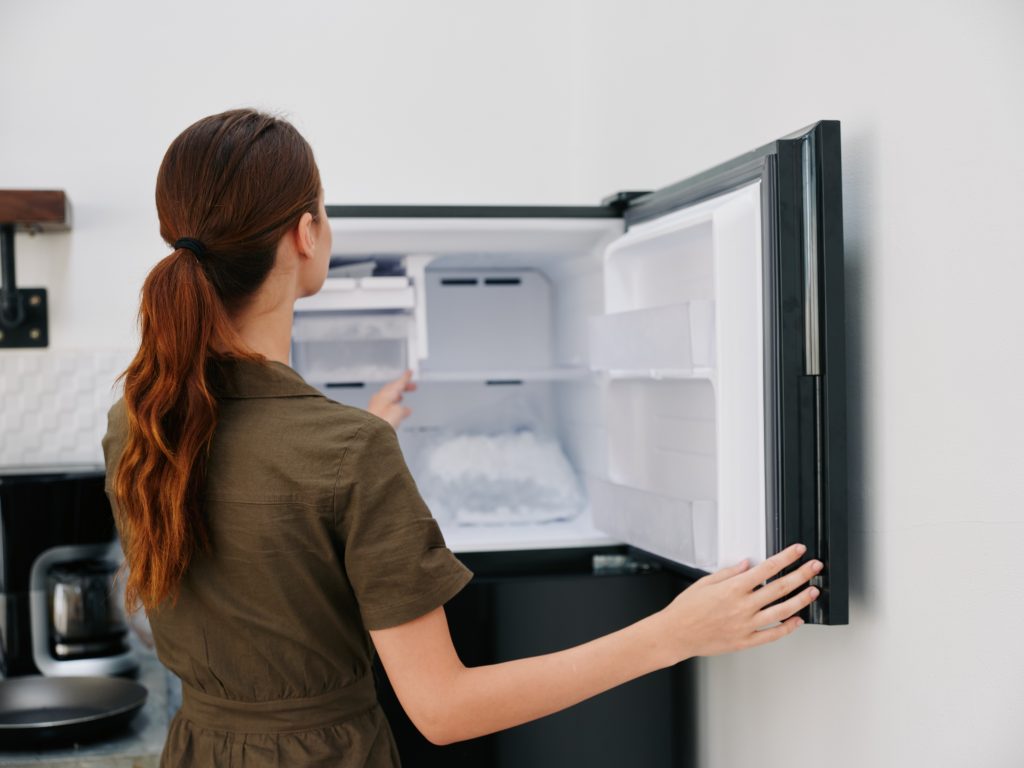
If your freezer feels colder than usual on the outside or your food keeps thawing despite the door appearing shut, you are dealing with a silent and costly problem. Jay Appliance Repair sees this issue regularly, and it is one of the most misunderstood freezer problems homeowners face. The freezer door seal — also called a gasket — can fail in ways that are nearly invisible to the naked eye, yet the consequences show up fast on your energy bill and in your frozen food. Cold air escaping from your freezer is a serious issue that deserves immediate attention.
Why Your Freezer Loses Cold Air Even When the Door Looks Closed
Most people assume that if the freezer door closes, it seals. That assumption leads to weeks or months of wasted energy before anyone investigates the real problem. The door gasket is a rubber seal that runs around the entire perimeter of the freezer door. Over time, this gasket warps, cracks, flattens, or simply loses its magnetic grip. When that happens, cold air escapes from your freezer in a steady, invisible stream — even with the door fully shut.
The gasket failure is not always dramatic. You might notice frost buildup around the door frame, condensation on the outside of the freezer, or a faint warm strip along one side of the door. These are all signs that the seal has broken down. Catching it early prevents compressor damage, higher electricity costs, and spoiled food.
How to Test Your Freezer Door Seal at Home
Before calling a technician, you can run a quick test. Take a piece of paper and place it between the door and the freezer frame. Close the door fully, then try to slide the paper out. If it pulls out without resistance, the gasket has lost its grip in that spot. Repeat this test around every side of the door.
Another method involves running your hand slowly around the closed door. If you feel a breath of cold air at any point, you have found the leak. This test works best in a warm room where the temperature difference is noticeable.
Ice buildup around the door seal is another clear sign of failure. When warm air sneaks in and meets the freezing interior, it condenses and freezes right at the entry point. This creates a cycle that worsens the gasket damage over time and forces the compressor to run longer to compensate.
Common Reasons Cold Air Escapes from a Freezer
Several factors cause cold air to escape from your freezer even when the door appears completely closed.
A worn or torn door gasket is the most common cause. Rubber degrades naturally over time, especially with repeated use and exposure to temperature changes. Even a small crack allows significant heat exchange.
Dirty gaskets also fail to seal properly. Grease, food debris, and sticky residue build up in the folds of the rubber and prevent it from pressing flat against the door frame. Regular cleaning with warm soapy water keeps the gasket pliable and effective.
A warped door or misaligned hinges can prevent the gasket from making full contact around the entire door frame. If the freezer door sags or shifts slightly when opened, the hinges may need adjustment.
Overfilling the freezer can also push items against the door from the inside, breaking the seal every time someone closes it. Reorganizing the freezer contents sometimes resolves the issue without any repairs.
Finally, a freezer placed in direct sunlight or against a heat-producing appliance works harder to stay cold. The gasket in these situations wears out faster because of the constant thermal stress.
What Happens When You Ignore the Problem
When cold air escapes from your freezer consistently, the compressor compensates by running almost nonstop. Compressors are not designed for continuous operation, and the strain shortens their lifespan significantly. A compressor replacement is one of the most expensive appliance repairs possible — far more costly than replacing a gasket.
Food safety becomes a real concern as well. A freezer that cannot maintain a stable temperature puts every item inside at risk. Meat, fish, and dairy products can enter unsafe temperature ranges without any visible sign of spoilage. Freezer burn accelerates, and ice cream becomes grainy and soft. These are signs your freezer is struggling to do its job.
Your monthly utility bill reflects the strain too. A freezer running constantly because of a faulty seal can add a noticeable amount to your electricity costs. Over several months, the cost of ignoring a worn gasket exceeds the cost of having it replaced.
When to Call a Professional for Freezer Repair
Some gasket replacements are straightforward, but the diagnosis is not always simple. If the paper test reveals leaks in multiple spots, if the door appears visibly warped, or if the compressor runs constantly despite a clean and intact-looking gasket, the problem may be more complex. A qualified technician can identify whether the issue lies with the seal, the hinges, the door itself, or an internal component. For professional freezer repair in Fort Saskatchewan, getting a proper diagnosis protects your investment and your food.
Jay Appliance Repair handles all types of freezer problems, from gasket replacements to compressor assessments. The team uses the right tools to test seal integrity thoroughly and identify problems that a visual inspection alone would miss.
In some cases, the source of the cold air loss is not the freezer at all — it originates in a connected refrigerator unit. If you also notice your refrigerator running warm or your cooktop repair needs are piling up alongside other appliance issues, scheduling a full home appliance check makes practical sense.
Preventive Steps to Keep Your Freezer Sealed and Efficient
Cleaning the gasket every few months keeps it flexible and free of debris. Use a soft cloth with warm water and mild dish soap. Avoid harsh chemicals that dry out rubber. After cleaning, inspect the gasket closely for cracks or hard spots.
Avoid slamming the freezer door. The impact loosens the gasket from its track over time and can warp the door frame. Closing the door firmly but gently extends gasket life considerably.
Check that the freezer sits level on the floor. An uneven freezer causes the door to drift open slightly or rest unevenly against the frame. Most freezers have adjustable feet that allow for easy leveling.
Keep the freezer at least three-quarters full if possible. A fuller freezer maintains its temperature more efficiently than an empty one, reducing how often the compressor runs and the stress placed on the door seal.
If your household also runs a dishwasher frequently, be aware that steam and humidity from a nearby dishwasher repair or a dishwasher in frequent use can affect nearby appliances. Humidity accelerates rubber degradation, so good kitchen ventilation helps extend the life of every gasket in the room.
Getting the Right Help in Fort Saskatchewan
Freezer issues are deceptively simple on the surface but often connect to deeper mechanical problems. Catching cold air loss early and addressing the root cause saves money, protects food safety, and extends the life of the appliance.
Jay Appliance Repair brings experience and proper diagnostic tools to every job. Whether the issue is a gasket, a hinge, or something more technical, the team resolves it efficiently and professionally. If you have noticed warm spots around your freezer door, increased energy bills, or frost buildup where it should not appear, do not wait for the problem to grow.
Visit Appliance Repair Fort Saskatchewan to learn more about available services. You can also explore stove repair services if other appliances in your home need attention at the same time. Taking care of multiple appliance concerns in a single visit saves time and keeps your household running smoothly.
Cold air escaping from your freezer is never a minor inconvenience. Address it early, get the right diagnosis, and protect your appliance before the problem becomes a costly repair.
Frequently Asked Questions
1. How do I know if my freezer door seal is the problem? Run the paper test by placing a sheet between the door and frame, then closing the door. If the paper slides out easily, the seal has lost its grip. You can also feel for cold air around the closed door with your hand.
2. Can I replace the freezer gasket myself? Some gaskets can be replaced at home if you identify the correct part number for your model. However, if the door is also warped or the hinges are misaligned, a professional repair is the safer choice to ensure a proper seal.
3. Why is there frost building up around my freezer door? Frost buildup around the door frame usually means warm air is entering through a compromised seal. The moisture in that warm air freezes when it contacts the cold interior, leaving ice deposits along the gasket line.
4. How long does a freezer door gasket last? Most gaskets last between five and ten years under normal use. Frequent door opening, exposure to heat, and poor cleaning habits can shorten that lifespan significantly.
5. Will a leaking freezer door increase my energy bill? Yes. When cold air escapes from your freezer, the compressor runs longer to compensate. This continuous operation draws more electricity and raises your monthly utility costs noticeably over time.