
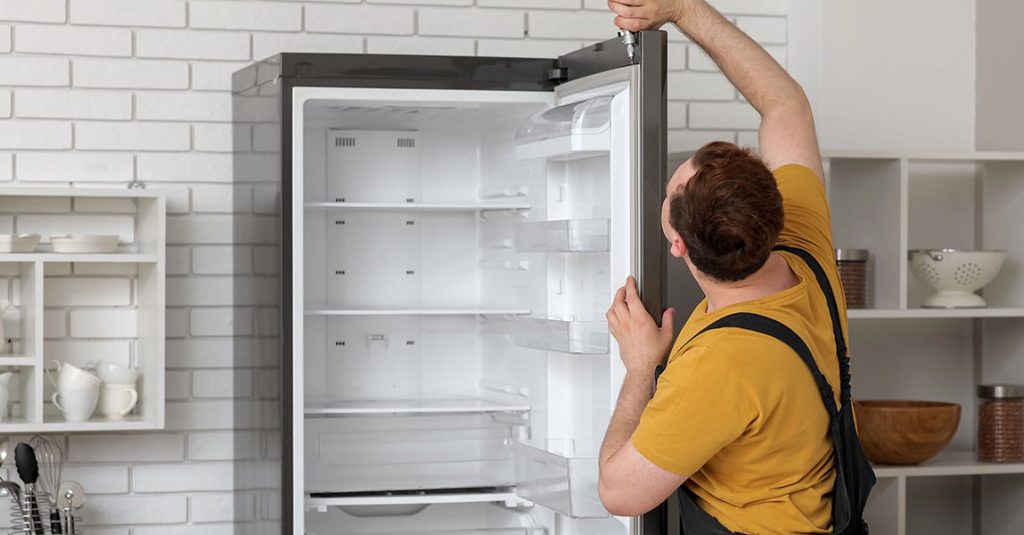
Identifying the Root of the Ice Maker Problem
When your fridge suddenly stops making ice, it can disrupt daily routines more than you expect. After all, a dependable ice maker is something most homeowners don’t think about—until it fails. In many cases, the problem begins either at the inlet valve or within the ice maker assembly itself. Therefore, starting with those two components is key to diagnosing the issue effectively.
Firstly, the water inlet valve controls the flow of water to your fridge’s ice maker. Secondly, the ice maker assembly manages the freezing and ejection of ice cubes. If either one malfunctions, you’ll likely end up with an empty bin and no new ice. That is to say, both components are critical to proper function.
Understanding the Water Inlet Valve’s Role
The inlet valve is usually located at the back of the refrigerator, near the bottom. It opens to allow water to flow into the ice maker mold when triggered. However, if the valve is clogged with debris or has experienced electrical failure, it may not open at all. In other words, your ice maker can’t function without a healthy water supply.
In some homes, low water pressure might also affect the valve’s operation. Therefore, we always recommend checking the home’s water line pressure as part of the inspection. If the valve fails to open under normal pressure, the internal solenoid may need to be replaced.
To ensure nothing is overlooked during diagnosis, our team always checks this valve early in the service process. We’ve found through years of hands-on experience that the majority of ice-related complaints stem from this one small part. For further support on fridge repair in Fort Saskatchewan, our team has in-depth solutions available.
What Happens Inside the Ice Maker Assembly
Once the valve allows water in, the ice maker assembly takes over. It fills its tray with water, freezes it, then pushes the cubes into the storage bin. However, when this assembly becomes faulty, the symptoms can be subtle. For instance, you might hear the motor trying to run but see no cubes produced. Alternatively, the tray might freeze but never dump the ice.
In these cases, the issue often lies with the motor module, a faulty thermostat, or a worn ejector gear. That is to say, any of these internal parts can stop the cycle prematurely. Moreover, if your ice cubes are hollow or oddly shaped, the problem could relate to improper freezing within the mold.
Further, the ice maker’s sensor can fail and stop the process entirely. We’ve also found instances where ice gets stuck mid-cycle due to a cracked mold or frost buildup. To clarify, the symptoms may look like low ice output, but the root cause can be mechanical or thermal. Troubleshooting this assembly requires a step-by-step test of each internal part to isolate the failure.
How to Rule Out Common External Issues
Not every ice maker issue requires replacement parts. In fact, some of the most frustrating problems are caused by basic setup errors. For example, a partially closed water valve at the wall can restrict flow, causing the ice maker to stop working. Likewise, if the freezer isn’t cold enough, the ice won’t form even if everything else is in order.
Another common culprit is a clogged water filter. If your fridge uses a filtration system, overused or improperly seated filters can reduce water flow to the ice maker. In some models, a dirty or misaligned filter blocks water entirely. Consequently, swapping in a new filter is a quick way to rule out this variable.
We also suggest checking the ice level arm or sensor. If the bin is full, the ice maker shuts down to prevent overflow. However, these sensors can stick or break, giving a false full signal. Releasing or replacing the arm might be all it takes to get your ice maker going again. You can learn more from this appliance repair Fort Saskatchewan resource that outlines common setup issues for local homeowners.
When to Call for Professional Assistance
Even after checking filters, freezer temperature, and power connections, some ice maker issues still persist. Therefore, professional diagnosis becomes necessary to pinpoint complex failures. Our team often uses diagnostic tools to measure valve resistance and motor voltage. These readings reveal hidden electrical failures that visual inspection might miss.
In other situations, replacing the entire ice maker assembly becomes more cost-effective than repairing its individual parts. Similarly, if your model is more than ten years old, newer components may not be compatible, requiring a complete unit upgrade.
For households facing ongoing issues or inconsistent ice production, our approach includes both mechanical and electrical testing. Additionally, we ensure all connections are re-sealed properly to avoid leaks. To speak directly with a local repair expert, contact a fridge technician in Fort Saskatchewan through our service page.
Signs the Ice Maker or Inlet Valve Is About to Fail
Recognizing the early symptoms of trouble can save time and effort. For instance, hearing clicking sounds without ice production suggests a mechanical stall inside the ice maker. Likewise, a hissing or dripping noise from behind the fridge could indicate a slow water leak at the inlet valve.
Another red flag is sporadic ice production. One day you have a full bin, and the next, it’s completely empty. That inconsistency often points to an intermittent electrical fault. Most importantly, early attention to these signs prevents flooding, frost damage, or larger appliance breakdowns.
We encourage homeowners to monitor how often the ice bin fills and whether the cubes are uniform. Any deviation could mean the system isn’t working as efficiently as it should. JAY Appliance Repair emphasizes proactive service in these cases, ensuring a lasting repair over a temporary fix.
Why Freezer Temperature Plays a Major Role
For ice to form, the freezer must maintain a temperature below 0°C. If it hovers too close to the freezing point, ice may form slowly or not at all. This is especially relevant in frost-free models, which cycle warm air periodically to prevent buildup. However, that same cycle can delay ice production if the unit isn’t cooling properly.
Sometimes, a failing evaporator fan or a malfunctioning thermostat reduces freezer performance. Therefore, verifying the internal temperature is crucial before focusing solely on the ice maker. Many service calls begin with a faulty ice maker report, but end with a full freezer recalibration.
We always check the evaporator coil and fan system to ensure even airflow across the freezer compartment. Without stable temperatures, the ice maker cannot complete its cycle. For stubborn issues like these, our fridge repair Fort Saskatchewan services provide freezer diagnostics as part of the package.
Final Thoughts on a Non-Functioning Ice Maker
If your fridge isn’t making ice, don’t panic—it rarely means the entire appliance is broken. As discussed, the most likely culprits are either the water inlet valve or the internal ice maker assembly. Therefore, identifying and resolving the exact issue is entirely possible without unnecessary replacements.
Start by checking basic issues like water flow, filter condition, and freezer temperature. After that, if the problem continues, it’s time to investigate the valve and motor system. We’ve found that most repairs can be handled in one visit once the faulty part is confirmed.
Our team at JAY Appliance Repair has helped countless homeowners bring their ice makers back to life. For full diagnostics, part testing, and long-term solutions, we’re always here to support the Fort Saskatchewan community.
FAQs
Why is my fridge making ice slowly?
Slow ice production usually points to restricted water flow or a warm freezer. Check your water filter and ensure the temperature is set below 0°C.
How do I know if my ice maker is broken?
If the motor runs but no ice is dispensed, or you hear unusual noises, the ice maker assembly might be failing. A diagnostic test can confirm the issue.
Can a clogged filter cause the ice maker to stop?
Yes, a clogged water filter reduces water pressure and can prevent the ice maker from filling properly. Replacing the filter often restores function.
What temperature should my freezer be for making ice?
For proper ice production, your freezer should be at least -18°C. Anything warmer may delay or halt the freezing cycle.
Should I replace the whole ice maker or just the broken part?
It depends on your model and the specific failure. In some cases, replacing the full ice maker is faster and more reliable than part-by-part repairs.