
When the broil element in your oven suddenly stops working, it throws off more than just your dinner plans. This issue can signal anything from a small wiring problem to a more serious electrical fault. We deal with this type of repair regularly, and it often begins with the same signs: your oven heats up but won’t broil. In most cases, the lower baking element still works, which makes this failure confusing. Understanding what causes the issue helps you figure out what steps to take next.
Common Reasons a Broil Element Stops Working
Sometimes, the fix is as simple as replacing a worn-out part. Other times, the issue lies deeper in the appliance’s controls. The broil element works independently from the bake element even though they share the same space. When the broil function doesn’t activate, it’s often because that circuit is no longer completing. Therefore, one of the first things to check is the broil element itself for visible damage. Look for cracks, burnt spots, or broken ends.
In other cases, the problem isn’t the element but the power reaching it. A faulty relay or burnt wire can prevent it from turning on. To clarify, if your oven display and other functions still work, but only the broil mode fails, the issue is isolated and likely fixable. Some homeowners notice the oven clicks but nothing happens when broil is selected. That often points to the control board or temperature sensor failing to engage the broil relay.
How to Test for Power and Resistance
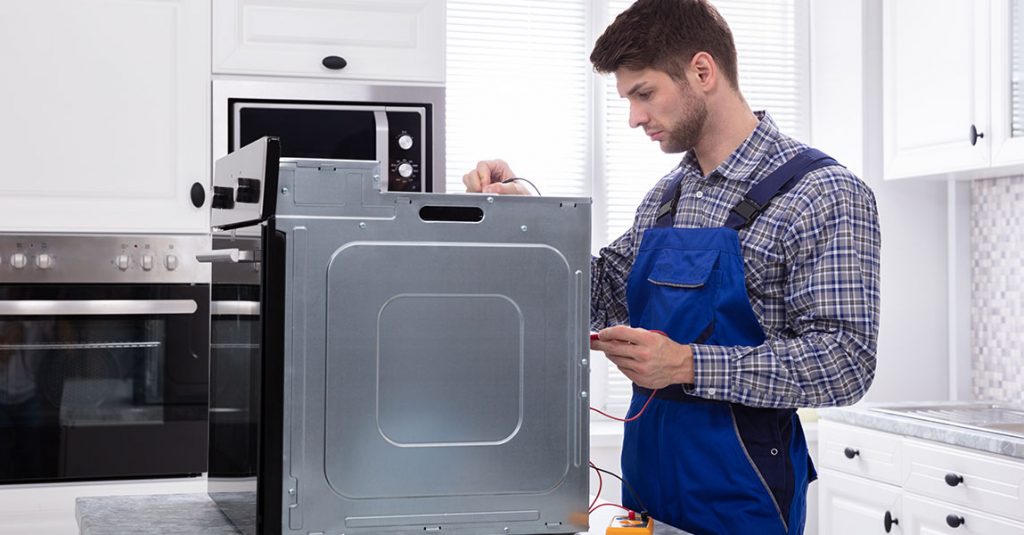
Before replacing parts, it’s important to test the system. First, always disconnect the oven from power. Even when off, it can carry dangerous voltage. Once unplugged, remove the back panel or oven floor to access the element’s terminals. Using a multimeter, test the resistance of the broil element. Most working elements will measure between 10 and 30 ohms. If the reading shows infinity or zero, the element is faulty.
Next, check whether power reaches the element. This part requires caution and should only be done if you’re confident. Plug the oven back in and switch it to broil. Using the multimeter, test the voltage across the element’s terminals. A working circuit should deliver around 240 volts. If there’s no voltage, the issue lies in the wiring or control board.
For deeper troubleshooting or repairs that involve live electricity, we recommend professional appliance repair in Fort Saskatchewan. It keeps your appliance safe and ensures all components work as intended.
Signs of a Faulty Control Board or Relay
Once we know the broil element and its wiring are intact, attention shifts to the oven’s brain. The control board sends commands and manages all oven functions. When the broil feature doesn’t respond, but everything else works normally, the board may have a failed relay. Unlike fuses that blow with a surge, relays fail quietly. You won’t hear clicks or feel heat from the broil element because the command never reaches it.
Another clue is inconsistent oven behavior. Some users find their oven broils sometimes, then doesn’t the next day. This pattern usually means the relay is beginning to fail. We’ve seen cases where the broil light comes on, but no heat follows. In that situation, it’s likely a faulty triac or solder crack in the board. Replacing the control board solves the issue in most of those cases.
Some ovens also have a thermal limiter that shuts off broil mode to prevent overheating. If this sensor fails or trips incorrectly, it blocks power even when everything else works. In such cases, replacement of the sensor is necessary. When unsure, it’s best to contact oven repair experts in Fort Saskatchewan for proper diagnosis and safe handling.
Physical Damage or Loose Wiring Issues
On some calls, we discover that the issue is purely mechanical. For instance, the terminal ends of the broil element can loosen due to repeated heating cycles. This movement eventually breaks the contact. When that happens, the broil feature won’t activate even though the element itself may still test fine. Re-securing or replacing the connectors fixes this issue.
Corrosion around the element terminals or within the wire harness also plays a role. Over time, moisture and grease build-up may lead to poor electrical contact. We often find discolored wiring, blackened connectors, or even melted insulation behind the oven cavity. These issues require cleaning and replacement of the affected parts.
Sometimes, internal fuses or thermostats trip during a self-cleaning cycle. This is common in ovens where heat isn’t properly vented. A reset may be all that’s needed, but in many models, these fuses don’t reset and must be replaced. If the broil stopped working shortly after a self-clean cycle, this is the first place we look.
If you’re not sure where the wires or fuses are located, or if they seem damaged, you can reach out for service help and get reliable support without delay.
Preventing Broil Element Failures in the Future
Even though oven broil elements are designed for repeated high heat, they’re not immune to wear. Grease spills, especially during broiling, burn onto the element and shorten its life. We always advise using broiler-safe pans and cleaning spills immediately. Avoid covering broil elements with foil, as this traps heat and may cause them to overheat.
Another important tip is to avoid frequent use of self-cleaning cycles. These raise oven temperatures high enough to damage wiring, sensors, and even control boards. If possible, clean the oven manually or use the steam-clean function if available. When you do run a self-clean cycle, inspect the broil and bake elements afterward for signs of stress.
It also helps to test the broil mode regularly, even if it’s not in daily use. That way, you won’t be surprised when it stops working before a planned dinner. A quick monthly check ensures the function stays in working order and any problems are caught early.
When to Replace vs Repair the Broil Element
Sometimes, a broil element that doesn’t heat up is simply at the end of its life. If the oven is older and the part shows clear signs of failure—such as cracks or burnt areas—replacement is usually the best option. Fortunately, broil elements are one of the more affordable oven parts. They’re also simple to install in most models.
However, if the issue is in the control board or relay, replacement becomes more complex. Boards are more expensive and may require calibration. In that case, consider the age of your oven. If it’s over 10 years old and other components are wearing down, replacing the appliance may be more cost-effective. If the unit is in otherwise good shape, a repair still makes sense.
Each case is different, but it helps to weigh the cost of repair against the overall condition. You don’t want to replace one part only to deal with another failure shortly after. When unsure, we give honest advice based on condition, age, and performance.
FAQs
Why does only the bake element work but not the broil?
The broil and bake elements run on separate circuits. If broil fails, it may be due to a faulty element, loose wiring, or a control issue.
How do I know if the broil element is getting power?
Use a multimeter to check for 240 volts at the element terminals while the oven is set to broil. No voltage means an upstream problem.
Can I replace the broil element myself?
If you’re confident and the oven is unplugged, replacing the element is often straightforward. But for wiring or control issues, call a technician.
Why did my broil stop working after using self-clean mode?
High heat during self-clean can trip or damage thermal fuses and sensors. These often need replacement to restore full function.
Is it worth fixing a broil element in an old oven?
If the element itself is the only issue, then yes. But if control boards or multiple parts are failing, replacement may be a better choice.