
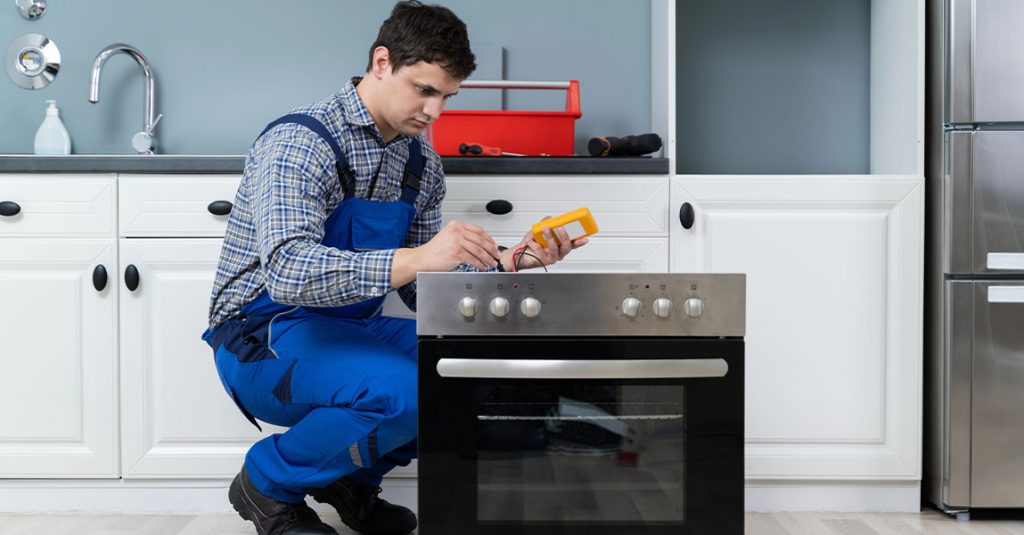
When stove knobs stop turning easily, cooking becomes frustrating fast. The problem often starts small, maybe with a little stiffness or resistance when adjusting the flame or heat level. Over time, the knob may refuse to budge altogether. Understanding why this happens helps prevent damage to the control valves and avoids more costly repairs later. We’ll go through common causes, safe ways to fix them, and when it’s best to stop and call a professional.
How Stove Knobs Work
Every knob on your stove connects to a metal shaft that operates a valve or switch controlling gas or electricity to the burner. Turning the knob opens or closes the valve, allowing more or less gas or power to flow. Grease, food debris, moisture, or worn components can all interfere with this movement. The tightness you feel when the knob resists turning usually points to buildup or internal corrosion rather than a simple cosmetic issue.
Why Knobs Get Stiff or Hard to Turn
The most common cause is grease buildup that dries over time. When cooking on a stovetop, tiny particles of oil and food vaporize and settle around the control panel. These gradually harden into a sticky residue that glues the knob to the shaft or gums up the internal valve.
Another frequent reason involves heat exposure. Continuous high temperatures from nearby burners can dry out lubricants inside the valve. Without that smooth film, metal parts grind against each other and tighten.
For electric ranges, stiffness may also result from internal melting if the plastic around the shaft deforms from heat or age. In gas stoves, rust or corrosion inside the valve can create friction, especially in homes with high humidity or after deep cleaning with too much water.
Cleaning Knobs and Shafts Safely
The first step is removing the knobs. Most knobs pull straight off, but some have a small retaining clip or set screw. We gently wiggle the knob back and forth while pulling to avoid bending the shaft. Once off, we soak the knobs in warm, soapy water for about fifteen minutes. A soft brush or toothbrush works well for removing greasy residue from crevices.
After washing, we inspect the metal shaft. If there is visible grime or sticky buildup, we clean it with a damp cloth dipped in vinegar or rubbing alcohol. We always keep moisture away from the control openings to prevent it from reaching internal wiring or gas valves. Once clean, we dry the area completely before reattaching the knobs.
If the stiffness improves after cleaning, the issue was likely surface buildup. However, if the knobs still resist movement or make a grinding sound, the internal valve may need attention.
Lubricating the Valve Shafts
A dry shaft can often benefit from lubrication, but the type of lubricant matters. We use a high-temperature silicone grease designed specifically for appliance valves, not regular cooking oil or WD-40. Regular oil can harden with heat and attract more dirt, worsening the problem.
To lubricate, we apply a small amount of grease to a cotton swab and gently coat the metal shaft. We rotate it a few times to spread the grease evenly before reinstalling the knob. This should allow smooth movement without slipping. If resistance remains, the valve itself may be damaged or internally corroded.
When Heat Damage or Corrosion Is the Cause
If the stove is several years old, heat may have weakened the internal valve seals. In gas models, this can create leaks if turned forcefully. A hardened valve can also crack under pressure, which is dangerous when gas is involved. When knobs feel tight even after cleaning and lubrication, or when they stick only at specific points in rotation, it’s time to get the valve inspected.
Our experience shows that many homeowners try to force the knob, thinking it will loosen up. Unfortunately, that can twist or break the valve stem, turning a small issue into a replacement job. Internal repairs often require specialized tools and knowledge of the stove’s gas line or electrical system. If you reach this point, the safest step is to schedule appliance repair services in Fort Saskatchewan to check the valve assembly properly.
Common Mistakes During Cleaning
Using too much water or cleaning solution near the control area is one of the biggest mistakes. Moisture that seeps into the control housing can short out electrical parts or cause corrosion in gas valves. Another mistake is applying general-purpose lubricants that are not heat-safe. These products can smoke or catch fire once the stove heats up.
It’s also easy to forget that some knobs have internal springs or tension clips. When prying them off roughly, the clips can bend or snap, causing the knob to loosen permanently. Gentle handling always works better than force.
Testing After Cleaning and Lubrication
Once the knobs and shafts are clean and dry, we reattach them and test each one slowly. We turn them from the off position through the full range and back. They should move smoothly without sticking or clicking. If one feels different from the rest, we remove it again to double-check the shaft for residue or uneven lubrication.
For gas stoves, we listen for the clicking sound of the igniter when turning the knob. If the knob turns smoothly but the igniter fails, the problem may not be mechanical at all but electrical. In that case, we keep the area dry and avoid further testing until it’s inspected by a technician.
Preventing Future Stiffness
Regular maintenance makes a big difference. Every few weeks, we wipe the control area with a damp cloth after cooking. Using a mild cleaner or vinegar solution removes early buildup before it hardens. We avoid spraying directly onto the knobs or controls.
If we notice grease accumulating around the base of the knobs, we remove them briefly to clean the shafts. A light coat of heat-safe silicone grease every few months helps keep the parts moving freely. When cooking large meals or using multiple burners, keeping a lid slightly tilted reduces vapor that escapes toward the control panel.
Storing the stove in a damp basement or cottage over winter can also lead to rust. Covering the stove with a breathable fabric and keeping humidity low protects the valves.
When Replacement Is Better Than Repair
Sometimes, the valve inside the stove is too worn to repair. If cleaning and lubrication make no difference, or if turning the knob feels loose and inconsistent, internal wear may prevent the valve from controlling the flame or current accurately. In such cases, replacing the valve ensures both safety and proper performance.
A technician can match the correct valve for the stove model and install it securely. Trying to swap it yourself without sealing the gas line or disconnecting power can cause serious risks. Professional replacement also guarantees the knob alignment matches the correct heat levels.
If you’re uncertain whether the stiffness means replacement is needed, it’s better to get a clear diagnosis. You can always contact us for a professional inspection or a quick home visit to determine the safest next step.
Recognizing When to Stop Trying
If the knob doesn’t turn at all, never apply excessive force. In gas stoves, this may damage the valve stem and create leaks. If the knob spins freely without changing heat, it’s likely detached from the shaft and no longer controlling the valve. In either situation, professional service prevents accidental gas release or electrical damage.
We often see cases where a small stiffness turns into a major repair because the knob was forced repeatedly. Waiting until the stove is completely unusable often leads to more downtime and higher costs. It’s always easier to fix minor stiffness than a broken valve assembly.
Checking for Hidden Debris Behind the Panel
Grease and crumbs can slip behind the control panel and block movement from inside. If cleaning the outside doesn’t help, the control panel may need removal for a deeper clean. This involves disconnecting power and accessing screws along the sides or back.
While we can do light maintenance, opening the stove body exposes wiring and gas fittings. If the stove is under warranty, disassembly can void it. Unless you have experience with appliance repair, it’s safer to leave the internal cleaning to a technician.
Signs of Valve Wear to Watch For
If a knob moves roughly or produces a scraping sound, internal wear may be advanced. In gas units, uneven flames or faint gas smells near the controls point to a valve that no longer seals properly. Electric stoves may show flickering power or inconsistent heating. Any of these signs mean it’s time to stop using that burner until checked.
A faulty valve doesn’t just affect comfort but safety. Gas leaks can spread unnoticed while an electric short can damage nearby components. Ignoring early signs risks further damage to the stove’s ignition or thermostat systems.
Simple Tools That Help
We keep a few small tools handy for these repairs: a soft cloth, vinegar, a small brush, a cotton swab, and heat-safe silicone grease. These cover most basic cleaning and lubrication needs without causing damage. For deeper internal issues, we rely on a multimeter or gas leak detector, but only after disconnecting power or shutting off gas.
It’s worth keeping a reminder on your phone to check your stove knobs every few months. Spending five minutes cleaning can save hours of frustration later.
FAQ
Why do stove knobs get stuck after cleaning?
Moisture may have entered the valve area or detergent left behind residue. Always dry knobs and shafts completely before reattaching.
Can I use regular cooking oil to loosen stiff knobs?
No. Cooking oil hardens with heat and attracts dirt, which worsens stiffness. Use high-temperature silicone grease instead.
What if my stove knob turns freely but nothing happens?
The knob may be stripped or detached from the valve stem. Replacing the knob or valve usually fixes this.
Are stiff knobs dangerous?
They can be if forced. For gas stoves, a stuck or broken valve stem could cause a leak. Stop using it and have it checked.
How often should I clean stove knobs?
Every few weeks for light cooking or weekly for heavy use. Regular cleaning prevents grease from drying and sticking to the shafts.