There are few kitchen frustrations more disruptive than a stove that shuts off mid-meal. Jay Appliance Repair hears this complaint regularly from homeowners across Fort Saskatchewan — you’re in the middle of cooking dinner, and suddenly the burner goes cold or the oven dies. A stove turning off unexpectedly is not just inconvenient. It signals that something inside the appliance needs attention. Understanding why this happens can save you time, money, and a ruined meal.
Why Does a Stove Turn Off by Itself?
A stove that cuts out during use rarely does so randomly. There is almost always a mechanical or electrical reason behind it. The most common causes include overheating protection, faulty igniters, failing control boards, defective burner elements, and problems with the power supply.
Modern stoves come equipped with thermal cut-off switches. These switches protect the appliance from overheating. When internal temperatures climb too high, the switch triggers an automatic shutdown. This feature exists to prevent fires and protect components. However, a faulty thermal switch can activate even when the stove isn’t actually overheating, causing false shutdowns that frustrate homeowners.
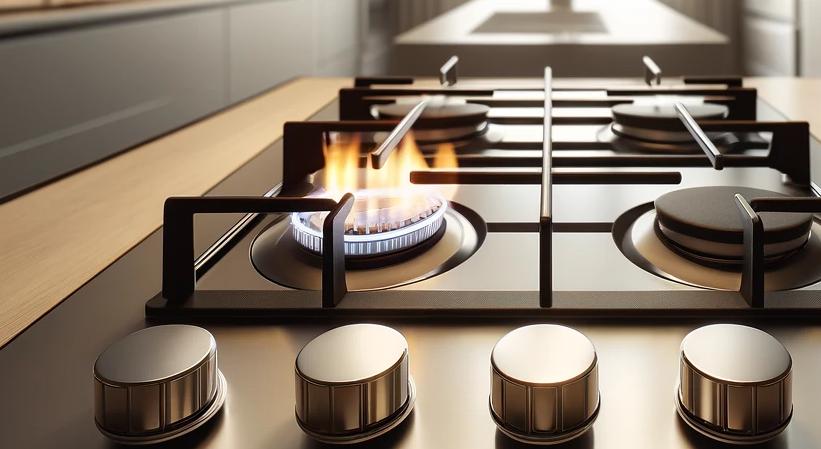
Igniter problems are another frequent culprit on gas stoves. A weak or dirty igniter struggles to maintain a consistent flame. The stove’s safety valve reads this instability and shuts off the gas supply. The result is a burner that keeps going out, especially at lower heat settings.
Control Board Failures and What They Mean
The control board acts as the brain of your stove. It manages temperature regulation, burner timing, and safety shutoffs. When this board begins to fail, signals between components break down. A burner might cut out without warning. The oven might shut off before reaching the target temperature.
Control board issues are common in older appliances but can also occur in newer models due to power surges or manufacturing defects. Replacing a control board is a job best handled by a qualified technician. Incorrect installation can damage other components or create safety hazards.
If you’ve noticed your stove repair needs are becoming more frequent — elements cutting out, displays glitching, or heat settings becoming unreliable — the control board may be at the root of the problem.
Burner Elements and Heating Coils
On electric stoves, burner elements wear out over time. A damaged coil may work intermittently. It heats up, then cuts out, then heats again. This on-and-off behavior is a strong indicator that the element is failing and needs replacement.
Burner elements can crack, blister, or burn through after years of use. Visible damage isn’t always obvious until you look closely. Sometimes the damage sits at the connection point between the element and the receptacle. The receptacle itself can burn out, preventing the element from receiving consistent power.
Replacing an element sounds simple, but using the wrong part or failing to inspect the receptacle during replacement can lead to the same problem returning within weeks. A professional technician brings the right parts and checks the full connection pathway before closing the repair.
Power Supply Problems
Electric stoves require a dedicated 240-volt circuit. A problem with this circuit can cause the stove to behave erratically, including shutting off unexpectedly. Tripped breakers, loose wiring at the outlet or terminal block, and damaged power cords all interrupt the voltage supply.
If your stove cuts off and won’t restart until you reset the breaker, the circuit itself may be the issue. This is a situation where an electrician and an appliance technician often need to work in parallel to identify the root cause.
Gas Valve and Flame Sensor Issues
On gas stoves, the flame sensor monitors whether the burner has successfully ignited. If the sensor reads no flame — even when one exists — it signals the gas valve to close. A dirty or faulty flame sensor causes this misreading.
Cleaning the flame sensor sometimes resolves the issue. In other cases, the sensor needs replacement. The gas valve itself can also weaken over time, failing to hold open under normal operating conditions. Both components require careful handling due to the nature of gas lines and connections.
When to Call a Technician
Many homeowners attempt to diagnose a stove that keeps turning off on their own. Cleaning igniters and checking the power outlet are reasonable first steps. Beyond that, the risks of self-repair increase quickly.
Working with electrical components and gas connections without training creates safety hazards. A professional appliance repair technician carries diagnostic tools that identify the exact point of failure without guesswork. The repair takes less time, uses the correct parts, and comes with accountability for the work done.
Jay Appliance Repair provides reliable stove diagnosis and repair for Fort Saskatchewan homeowners. Whether the problem traces back to a control board, a burner element, or a gas valve, the team brings the expertise needed to fix it correctly the first time.
Don’t Let a Faulty Stove Disrupt Your Kitchen
A stove that turns off mid-cooking gets worse without intervention. Ignoring the problem doesn’t resolve the underlying fault. Small issues with sensors or elements tend to escalate into larger failures that cost more to fix.
Jay Appliance Repair also handles related kitchen appliance issues. If your dishwasher repair needs have stacked up alongside your stove problems, scheduling a combined service visit saves time and gets your kitchen running smoothly again.
Appliances like cooktops share many of the same failure points as full stoves. A technician familiar with both can often diagnose and repair them during a single appointment.
Protecting Your Appliances Long-Term
Routine maintenance extends the life of any appliance. For stoves, this means keeping burner components clean, checking that igniters are free of grease buildup, and having the control board inspected if you notice unusual behavior early.
Power surge protectors help guard against voltage spikes that damage control boards. Using your stove within its intended capacity — avoiding prolonged high-heat use that triggers thermal switches unnecessarily — also reduces wear on internal components.
If your home has older wiring, having an electrician evaluate the dedicated stove circuit is a practical investment. Consistent voltage delivery protects the appliance and prevents the kind of erratic behavior that leads to premature failure.
Jay Appliance Repair recommends annual check-ins for appliances that see heavy daily use. A technician can spot early signs of wear before they become full breakdowns. For homeowners who rely on their stove every day, that proactive approach pays for itself quickly.
A Stove That Turns Off Mid-Cooking Needs a Real Fix
A stove turning off unexpectedly is not a quirk you work around. It is a symptom of a mechanical or electrical fault that will worsen over time. Acting early keeps repair costs down and keeps your kitchen functional.
Whether the issue stems from a thermal switch, a control board, a burner element, or a gas valve, a qualified technician can identify it and fix it properly. Don’t accept a kitchen that operates at half capacity. Get the diagnosis done right.
For homeowners dealing with connected appliance issues, freezer repair and other services are also available through the same trusted team — making it easy to address multiple appliance concerns in one call.
Frequently Asked Questions
Why does my stove keep turning off mid-cooking? The most common causes are a faulty thermal cut-off switch, a failing control board, a worn burner element, or a gas valve issue on gas models. Each of these can trigger an automatic shutdown during normal use.
Is it safe to keep using a stove that shuts off on its own? It is not advisable. A stove that turns off unexpectedly may indicate an electrical fault or a gas supply issue. Continuing to use it without a diagnosis can create safety risks, including fire hazards or gas leaks.
Can I fix a stove that turns off by itself without a technician? Basic steps like cleaning igniters or checking the circuit breaker are reasonable starting points. However, replacing control boards, burner elements, or gas valves requires technical knowledge and proper parts. Professional repair is strongly recommended.
How long does a stove repair typically take? Most stove repairs are completed in a single visit once the fault is diagnosed. Complex control board replacements or parts-sourcing situations may require a follow-up appointment, but straightforward element or igniter repairs are usually same-day.
How do I prevent my stove from shutting off unexpectedly in the future? Keep burners and igniters clean, avoid prolonged extreme-heat use, use surge protection for electric models, and schedule periodic appliance check-ups. Catching early signs of wear prevents most unexpected shutdowns.