
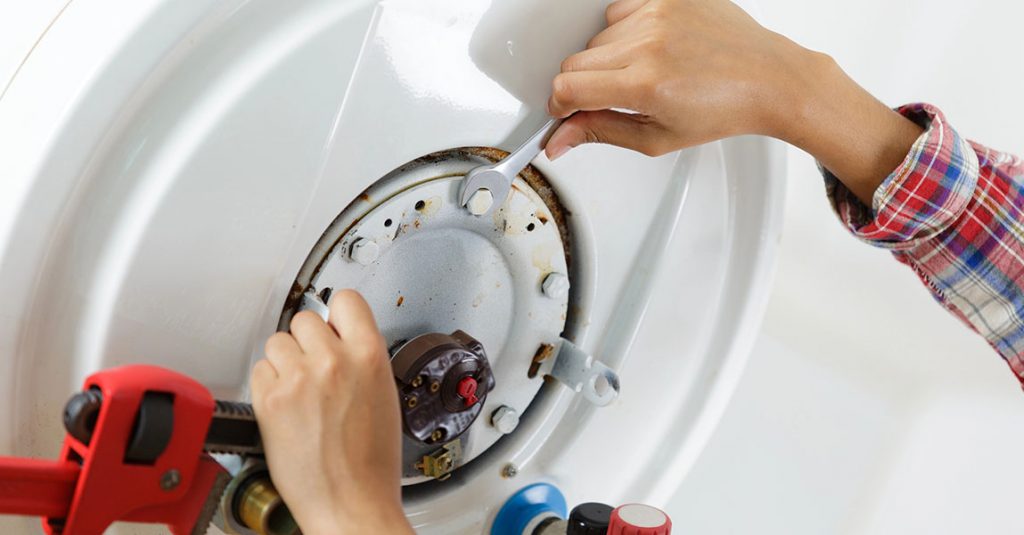
When a washer drum starts banging against the sides during a cycle, it can feel like something’s seriously wrong. The sound is loud, often startling, and it usually means the machine isn’t balanced properly. Sometimes, it’s an easy fix. Other times, it’s a sign that a part inside the washer has failed. Understanding the source of the issue helps us avoid bigger problems later. Let’s take a look at what causes this banging and how to handle it safely and effectively.
Unbalanced Loads and How to Adjust Them
Large or small loads can both lead to banging if the weight isn’t evenly distributed in the drum. Sheets, towels, or a single heavy blanket often clump to one side. As the drum spins, it tries to balance the weight by force, slamming into the washer walls.
We start by pausing the cycle and opening the door. If items are all on one side, we move them around to balance the load. For bulky loads, adding one or two more items of similar weight often helps. Likewise, when washing only a few small pieces, we try pairing them with towels or other absorbent materials to prevent bouncing.
We also avoid mixing heavy items like jeans with lighter pieces like t-shirts. Uneven weight makes the washer unstable. These habits help prevent wear on the suspension and keep the drum from shifting off-center during high-speed spins.
Suspension Springs and Shock Absorbers
At the core of the washer’s stability are its suspension springs and shock absorbers. These parts keep the drum centered and absorb vibrations. When they weaken or break, the drum moves too freely and may slam against the washer frame.
Over time, these components wear down. This is especially true if the washer often runs heavy loads or sits unevenly on the floor. If we hear banging even with balanced loads, it’s a clue that these supports may be failing.
Inspecting them requires opening the top or back panel of the machine. Broken springs usually hang loose or show signs of stretching. Damaged shocks may leak fluid or feel stiff when pressed. When any of these parts are compromised, replacing them is the safest choice.
To learn more about our services, including parts inspection, you can visit our washer repair in Fort Saskatchewan page.
Leveling the Washer on the Floor
Placement matters more than most people expect. If the washer sits unevenly, the entire unit can rock or shift when spinning, even with a balanced load. This rocking makes the drum hit the cabinet walls.
We check the leveling first with a small bubble level. Each leg underneath the machine can be adjusted individually. The front legs usually twist by hand, and the back ones may self-adjust if the washer is tilted slightly backward.
In some cases, washers sit on soft or sloped flooring that flexes during use. We recommend placing a thick rubber mat under the machine. This creates better grip and reduces shaking. If the floor itself dips or slopes, adjusting the legs might not be enough, and we may need to use shims.
This simple check helps reduce vibration noise and prolongs the life of the suspension system. Small adjustments go a long way toward preventing loud movement and protecting the drum from impact damage.
Bearings and Drum Mounting Bolts
Drum bearings sit behind the inner basket and let it spin smoothly. When they wear out, we start to hear grinding or banging, especially during spin cycles. The drum may also feel loose when pushed by hand.
This issue usually develops slowly. Over time, water or detergent residue seeps into the bearing housing and causes corrosion. That leads to play in the drum and eventually visible movement. The longer it’s left unchecked, the louder and more damaging the banging becomes.
Another possible issue is the mounting bolts that secure the drum to its spider arms. If even one bolt works loose, the drum shifts with each rotation. We check both from the back panel if we notice unusual movement that doesn’t seem related to balancing or suspension.
These repairs often require full disassembly and are best handled by a technician. For full support with these kinds of internal washer issues, you can start with our appliance repair in Fort Saskatchewan team.
Shipping Bolts Left in Place
New washers arrive with shipping bolts that lock the drum in place during transport. If these bolts aren’t removed during installation, the drum can’t move freely. Instead of spinning smoothly, it strains against its restraints and bangs loudly against the washer frame.
This problem appears immediately with new installations. The washer sounds like it’s breaking itself every time it tries to spin. We check the back of the machine for large plastic or metal bolts, often bright in color, holding the drum in place. They’re designed to be unscrewed and removed before use.
If left inside, these bolts can damage the suspension and bearings quickly. We always check the manual and verify that all shipping bolts are gone before running the washer for the first time. This simple step avoids early damage and saves money on repairs.
Loose Counterweights or Internal Brackets
Most washers use heavy concrete or plastic counterweights to keep the machine stable. These weights are bolted inside the cabinet, near the top or bottom of the drum. If the bolts loosen or break, the weights rattle or slam around, especially during high-speed spins.
We open the top or front panel to inspect these areas. A loose counterweight looks like a large block with visible play when nudged. The bolts might look rusted or missing entirely. If that’s the case, we tighten or replace them as needed.
In some models, additional brackets help hold the drum or motor in place. If one snaps or shifts, it throws the whole balance off. Reattaching or replacing these brackets prevents future banging and protects internal components.
These are harder issues to spot without taking the machine apart. If banging persists after balancing and leveling, it’s usually time to schedule a washer diagnosis and service in Fort Saskatchewan.
Drum Paddle or Baffle Detached Inside
Inside the drum, plastic or metal paddles help move clothes during cycles. These are often bolted or clipped into place. If one breaks loose, it rattles around or hits the metal drum with every turn.
The sound is usually hollow and rhythmic. We often hear it get louder during spin cycles, but it can also happen when the washer fills or agitates. To check, we feel inside the drum and wiggle each paddle. A loose or broken one will shift or feel unstable.
If it’s detached but still inside, it may bounce around and cause damage to the drum walls. Replacing or reattaching the paddle is necessary to avoid sharp edges or leaks forming later. We also check for any clothing stuck under or around the paddle.
This minor part causes a surprisingly loud sound and is easy to overlook. It’s worth checking during a general inspection if any banging sound is present and nothing else explains it.
Washer Age and Overall Wear
Age plays a big role in how a washer behaves. Even with careful use, older machines develop weak spots. Rubber parts dry out, metal fatigues, and plastic cracks over time. When several parts wear down together, the drum begins to move in ways it shouldn’t.
We often see this in machines over eight years old. The banging may not point to a single broken part but to general looseness across multiple systems. This includes suspension, bearings, counterweights, and even frame supports.
At this stage, fixing one part might not fully solve the issue. We assess how widespread the wear is and weigh the cost of repairs against replacing the unit. Keeping the washer balanced and serviced regularly helps delay these long-term breakdowns.
FAQs
Why does my washer drum slam during spin cycles even with light loads?
Light loads can still become unbalanced, especially if the items gather on one side. Always spread laundry evenly and avoid running single items.
How do I know if the suspension springs are worn out?
If the drum feels too loose or bounces more than expected when pushed, the springs may be worn or broken.
Can I fix a banging drum by myself?
Some causes like load imbalance or uneven floors are easy to handle. For internal parts like shocks or bearings, we recommend getting help from a technician.
Is it dangerous to keep using a washer with a banging drum?
Yes, continued use can cause more internal damage. The longer it bangs, the more stress it puts on other parts.
What’s the first thing to check when my washer starts banging?
Start with the load. Pause the cycle, open the lid, and rebalance the items. If the problem returns, look at the suspension and leveling next.