
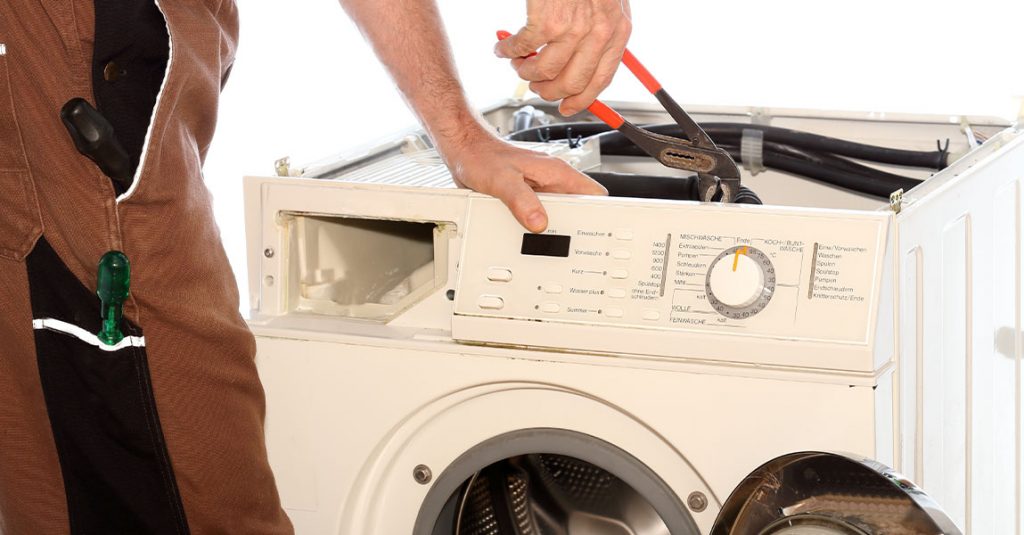
When a washing machine starts making a loud rattling noise during the spin cycle, it can be alarming. The sound often signals that something inside the machine is out of balance, loose, or wearing down. We rely on our washer to handle heavy loads quietly, so when the spin cycle sounds more like construction work, it’s time to pay attention before a small issue becomes a serious repair.
Understanding the Source of the Rattling
Every spin cycle pushes the machine to its limit. The drum spins at high speed, and even a small imbalance can cause intense vibrations and noise. A loose object, worn suspension part, or uneven floor can all cause rattling. Our goal is to identify whether the problem comes from inside the drum, under the washer, or within the motor or suspension system. Listening carefully to where the sound comes from helps narrow it down.
Check for Loose Items Inside the Drum
Sometimes, the simplest explanation is the right one. Coins, keys, or small metal objects can easily slip out of pockets and end up inside the drum or between the inner and outer tubs. These objects bounce around during high-speed spins, creating a sharp metallic rattle. Always inspect the drum after each load and check the rubber door seal, especially in front-load washers, where objects can hide in folds.
If you suspect something is stuck between the drums, run a short cycle without clothes and listen. If the noise continues, it might be time to open the back panel or contact a technician. Trying to force an object out can damage the drum or bearings.
Inspect the Load Balance
Unevenly distributed clothes cause the drum to hit against the outer tub walls. This is common when washing heavy items like towels or blankets that absorb a lot of water. If your washer shakes violently or rattles during spin, stop the cycle and redistribute the load.
In top-load washers, clothes should be arranged evenly around the agitator. In front-load machines, avoid washing single heavy items without something to balance them. Using too little laundry can create the same problem as overloading. Modern machines usually detect imbalance and try to correct it, but they cannot always fix it automatically.
Level the Washing Machine
A washer that sits on an uneven floor will move during spin cycles, especially if the load is heavy. The vibration can cause loud rattling, thumping, and even walking across the floor. To fix this, use a spirit level to check whether all corners of the machine are even. Adjust the front legs by turning them until the washer sits firmly without wobbling.
Placing a rubber anti-vibration pad under each leg can also help. It stabilizes the machine and absorbs the motion. Make sure the floor is solid and not hollow or flexible, as that can magnify vibration.
Tighten Loose Panels and Bolts
Washers experience constant vibration, which can loosen screws, bolts, and metal panels over time. Once these parts shift, they rattle loudly during the spin cycle. Check the rear panel, control panel, and base for any loose fittings. Tighten screws using a wrench or screwdriver, but avoid overtightening to prevent stripping the threads.
Pay attention to the counterweight mounts inside the machine, especially if the noise sounds deeper or heavier. These concrete or metal weights help balance the washer and can loosen slightly with years of use.
Examine the Drum Bearings
The bearings allow the drum to spin smoothly. When they wear out, the drum starts to wobble and produces a grinding or rumbling noise during high-speed cycles. If you spin the drum by hand and hear a dull rattle or rough grinding, the bearings are likely the cause.
Replacing bearings is not a simple DIY job. It usually involves dismantling much of the washer. At this stage, it’s best to get help from professionals who specialize in appliance repair services in Fort Saskatchewan. Ignoring bad bearings for too long can cause the motor or drum shaft to fail, turning a manageable repair into a full replacement.
Look at the Shock Absorbers and Suspension Springs
Front-load washers rely on shock absorbers to control movement during spin cycles. If they wear out or break, the drum shakes excessively and bangs against the cabinet. Similarly, top-load machines use suspension springs that can stretch or snap over time.
When shocks or springs fail, you may hear rattling, clunking, or loud banging. Open the back panel and look for oil leaks near the shocks or visible signs of wear. Replacing them in pairs helps keep the washer balanced.
Inspect the Drive Pulley and Belt
The drive pulley connects the motor to the drum with a belt. If either part becomes loose, it creates a fast rattling sound that worsens with speed. Unplug the washer, remove the back panel, and check whether the pulley nut is tight. A loose pulley can cause the belt to slip or vibrate against the metal.
Cracks or frayed edges on the belt also cause uneven spinning. Replacing a belt is inexpensive and prevents bigger damage to the motor or bearings. Always make sure the new belt sits firmly in the pulley grooves before closing the back.
Check the Pump and Motor Mounts
If the noise happens mostly during draining or early spin, the pump or motor mounts might be loose. The drain pump often contains a small impeller that can collect debris, causing a rattling or buzzing noise. Removing and cleaning the pump can stop the sound immediately.
A damaged motor mount allows the motor to shake against the frame, creating metal-on-metal noise. It’s a less common issue but worth checking if all other parts look fine.
Ensure the Shipping Bolts Are Removed
New washing machines come with shipping bolts to secure the drum during transport. If these bolts are not removed during installation, the drum cannot move freely and creates severe rattling or banging. If you recently moved or replaced your washer, check the back panel for any long metal bolts sticking out. Removing them usually solves the problem instantly.
When the Noise Persists
If you’ve checked for all the common issues and the rattling continues, it’s best not to ignore it. Prolonged vibration can damage the internal suspension or crack the outer tub. A technician can test the motor, drum shaft, and control system safely.
At JAY Appliances, we often see washers with early wear caused by repeated unbalanced cycles or loose parts that were never tightened. If your washer has been making noise for weeks or months, small fixes now can prevent expensive repairs later.
Preventing Future Rattling
Once your washer is quiet again, simple habits can keep it that way. Always check pockets before washing, especially for coins, screws, or small objects. Keep the load balanced by mixing heavy and light items, and never exceed the drum’s capacity.
Make it a habit to inspect the machine’s position every few months, ensuring all legs touch the floor evenly. Vibrations can shift the washer slightly over time. Regular cleaning of the drum and filter also prevents buildup that can affect balance and stability.
If you use the washer daily or notice any change in sound, a quick checkup can save you from a breakdown later.
Know When to Call a Professional
Some noises are easy to fix, but others signal deeper mechanical issues. If you suspect worn bearings, broken springs, or electrical faults, it’s safer to let a technician handle it. Trying to repair complex internal components without proper tools can cause damage or safety risks.
You can always contact us for reliable help if your washing machine continues to rattle despite basic maintenance. A trained repair professional can pinpoint the cause quickly, replace faulty parts, and make sure the machine is running smoothly again.
Extra Tip: Use Vibration Isolation Mats
If your laundry room is on an upper floor or has a wooden base, vibration amplifies easily. Placing a dense rubber mat under the washer and dryer can drastically reduce rattling. The mat absorbs impact, keeps the machine stable, and prevents noise from traveling through the floor.
Look for mats specifically designed for heavy appliances rather than soft foam pads, which compress over time.
FAQ
Why does my washing machine rattle even when empty?
A rattle with an empty drum usually means a loose internal part like the shock absorber, spring, or drum bolt. It can also be debris stuck between the drums.
Can a rattling washer cause further damage if I keep using it?
Yes. Prolonged rattling can damage bearings, suspension parts, or even crack the outer drum. It’s best to diagnose the cause early.
How can I tell if the drum bearings are bad?
Spin the drum by hand. If you hear a grinding or rumbling sound or feel resistance, the bearings are likely worn out.
Why does my washer only rattle during spin and not during wash?
The spin cycle uses higher speeds, which amplify vibration and expose loose parts that may not move during slower cycles.
What can I do if the rattling started after moving the washer?
Check that all shipping bolts were removed and that the machine is level. Moving can loosen panels or shift the balance.