At JAY Appliance Repair, we see a predictable wave of winter appliance problems across Fort Saskatchewan homes every time the temperature drops below freezing. Cold garages, dry indoor air and heavy holiday cooking all land on your appliances at the same time. Most of these issues start small. Catching them early keeps a minor fault from turning into a December breakdown, and this guide walks through the ones we handle most often each winter.
Why Winter Appliance Problems Spike in Alberta
Appliances are built to run within a set temperature range. A Fort Saskatchewan winter pushes many of them past that comfort zone. Garages drop below freezing, utility rooms cool down, and the dry furnace air changes how motors and seals behave.
Cold also thickens lubricants and stiffens rubber gaskets. Door seals that sealed fine in September can shrink and leak by January. On top of that, holiday guests mean more laundry, more dishwasher cycles and a harder-working oven. The extra load simply exposes weak parts faster.
The role of temperature swings
Rapid shifts between a warm kitchen and a cold entryway stress electronics and sensors. A control board that reads an unusual temperature may throw an error or shut down a cycle. Many "dead" appliances we visit are really just confused by the cold.
Refrigerators and Freezers in Cold Rooms
A fridge or freezer in an unheated garage is a classic source of winter appliance problems. When the surrounding air is already cold, the thermostat thinks the job is done and stops the compressor. The freezer then warms up and food thaws, even though the room feels frigid.
Watch for frost building unevenly, a unit that cycles rarely, or food that softens in the coldest week of the year. If your second fridge lives in the garage, confirm it is rated for low ambient temperatures.
Quick checks before you call
- Confirm the garage or utility room stays above the unit’s minimum rated temperature.
- Clear snow, boxes and bags away from the vents and condenser coils.
- Check that the door closes fully and the gasket is not stiff or cracked.
Dryers and Hidden Vent Risks
Winter is the worst season for dryer complaints. Cold intake air and colder laundry mean longer cycles, and homeowners often crank the heat or run loads twice. That extra runtime bakes lint deeper into the vent.
A dryer that leaves clothes damp, runs hot to the touch or smells scorched needs attention quickly. Restricted winter venting is a genuine fire hazard, which is why national safety groups such as the NFPA stress regular lint and duct cleaning. If your dryer is underperforming this winter, have the vent and heating element inspected together.
Washers, Dishwashers and Water Lines
Water-using appliances face their own cold-weather trouble. Supply lines near exterior walls can chill, and a dishwasher or washer that fills slowly may be fighting a half-frozen line. Standing water left in a pump overnight in a cold laundry room can freeze and crack components.
| Winter symptom | Likely cause | What we check |
|---|---|---|
| Washer fills very slowly | Chilled or partly frozen supply line | Inlet valve, line routing, water pressure |
| Dishwasher leaves dishes gritty | Cold water plus hard-water buildup | Heating element, spray arms, inlet |
| Freezer thaws in the garage | Thermostat stops in cold ambient air | Temperature rating, thermostat, seals |
| Dryer runs long and hot | Lint-clogged vent, weak element | Vent airflow, element, thermostat |
If a dishwasher is struggling in the cold months, do not keep forcing cycles. Running a faulty unit repeatedly can push a small fault into a full failure.
A Simple Winter Readiness Routine
You can prevent many winter appliance problems with a short seasonal routine. None of it requires tools or technical skill, and it takes under an hour for the whole home.
Early-winter checklist
- Pull the fridge and freezer out and vacuum the coils.
- Clean the dryer lint trap and have the full vent inspected.
- Wipe door gaskets and check that each seal is soft and intact.
- Run an empty hot cycle in the dishwasher to clear buildup.
- Keep laundry and utility rooms above freezing where possible.
Energy habits matter too. Appliances that run clean also run more efficiently through the cold months, which eases the load on every part. If you want a professional seasonal check across several units, our full list of repair services covers every major appliance.
Ovens, Ranges and Holiday Cooking Load
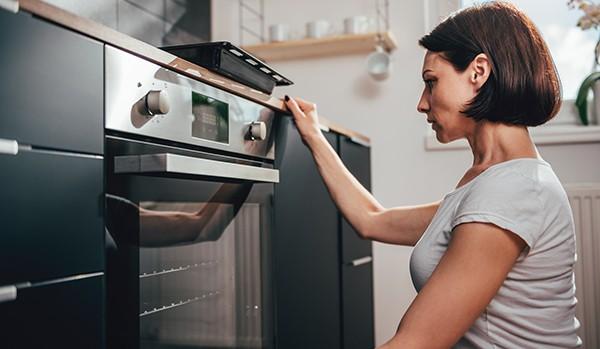
Winter is peak season for the oven, and the extra demand exposes tired parts. A bake element that was fading in autumn often fails outright during a holiday roast. Uneven heat, a long preheat or a burner that will not light are the classic cold-season complaints we hear.
Gas ranges deserve a closer look as well. Cold, dry air can affect ignition, and a weak igniter struggles most when the kitchen is busy. If a burner clicks without lighting or the oven runs cool, stop relying on guesswork and have the igniter and element tested.
Keep the cooking season running
- Test the oven a week before any big meal, not the morning of.
- Watch for a preheat that drags well past the normal time.
- Listen for repeated clicking on a gas burner that will not catch.
- Keep the door seal clean so heat does not leak out.
A short pre-holiday check turns a potential winter appliance emergency into a planned, low-stress repair. That peace of mind is the real reason we push seasonal inspections.
When to Call JAY Appliance Repair
Some winter appliance problems are safe to monitor, but others should never wait. Call promptly if you notice sparking, burning smells, water pooling, a tripped breaker or an appliance that will not hold temperature. These signs point to faults that worsen quickly in the cold.
A fast diagnosis in early winter almost always beats an emergency repair during the coldest stretch of the year. We serve Fort Saskatchewan and the surrounding communities, and we carry common parts to finish many repairs in a single visit.
Frequently Asked Questions
Why do appliances act up more in winter in Fort Saskatchewan?
Cold air, dry indoor heat and heavy holiday use all add stress at once. Garages and utility rooms get especially cold, which affects refrigerators, freezers and washers. Winter appliance problems often trace back to temperature swings rather than a failed part.
Is it safe to run a fridge or freezer in an unheated garage over winter?
Many fridges and freezers struggle below their rated temperature. The thermostat may stop the compressor because the surrounding air is already cold, so the freezer thaws. Check the manufacturer rating before relying on a garage unit through an Alberta winter.
My dryer takes much longer in winter. Is that normal?
Some slowdown is normal because incoming air and clothing start colder. A large jump usually points to a clogged vent, a weak heating element or restricted airflow. Have it checked before the vent lint becomes a fire risk.
Should I call a technician or wait it out?
If an appliance is leaking, sparking, tripping a breaker or not holding temperature, call right away. Small symptoms ignored in December often become breakdowns in January, so early diagnosis saves a cold-weather emergency.
Book a Winter Appliance Check
JAY Appliance Repair serves Fort Saskatchewan and nearby communities seven days a week. Call us at (780) 782-9600 or email jayappliance2020@gmail.com to book. Our hours are Monday to Sunday, 8am to 8pm, and an honest quote is always provided after we assess the appliance.